acne

Showing posts with label acne. Show all posts. The posts are listed in chronological order. Click the post title to read more.

Friday, March 27, 2015 in , , , , , , , , ,

Why Some Skin Types Should Stop Using Coconut Oil - the mixed results of this otherwise healthy oil


Coconut oil may not be right for your skin type - coconut oil causes breakouts, coconut oil makes my skin dry

Coconut oil has gained a big following in natural beauty circles in recent years.  This oil does have a significant list of benefits including the fact that it is readily available at many natural food stores, affordable, shelf stable, 100% natural and nontoxic, and not environmentally problematic.  Books such as The Coconut Oil Miracle tout its extensive health benefits as an immune system support, weight loss aid, digestion and nutrition absorption aid and many other traits.  A simple Amazon search pulls up over 10 guides to the benefits of coconut oil including one specifically dedicated to pets and another for oil pulling.  I've personally found it to be fantastic for cooking and the flavor of virgin coconut oil makes a delectable popcorn topping for a Saturday evening movie at home.  Combine it with a bit of truffle oil, salt, and onion powder and you've got a mouth party like you've never known before.  

With all those delightful qualities you might be surprised to hear me say that in skincare coconut oil gives extremely mixed results.  Coconut oil is used in a starring role for everything from a makeup remover to a general moisturizer, and is frequently one of the first natural oils people experiment with for home recipes and DIY beauty.   Unfortunately for very dry skin and acne prone skin the results of coconut oil often skew towards breakouts and increased dryness. 

This incredibly popular post has been updated and reposted on the Blissoma.com home website blog in two sections.  We have added fresh research that can help you figure out how to fix your skin if you think coconut oil may be causing you problems.

Post #1: Is Coconut Oil Causing Dry Skin?  What You Need to Know.

Post#2: Is Coconut Oil Good for Acne? Surprising Info on the Popular Skin Care Ingredient.

Thank you so much for all the amazing response we have gotten over the years on this post!  Because of your many comments and incredible feedback we knew it was worth the effort to edit and share it in a permanent spot on our home site.  We hope you enjoy reading it there.


Thursday, June 5, 2014 in , , , , , , , , , , , , , , , , , ,

How dandelions benefit your health and skin for natural beauty

How to use Dandelions for health and beauty - harvest dandelion leaf and root for health

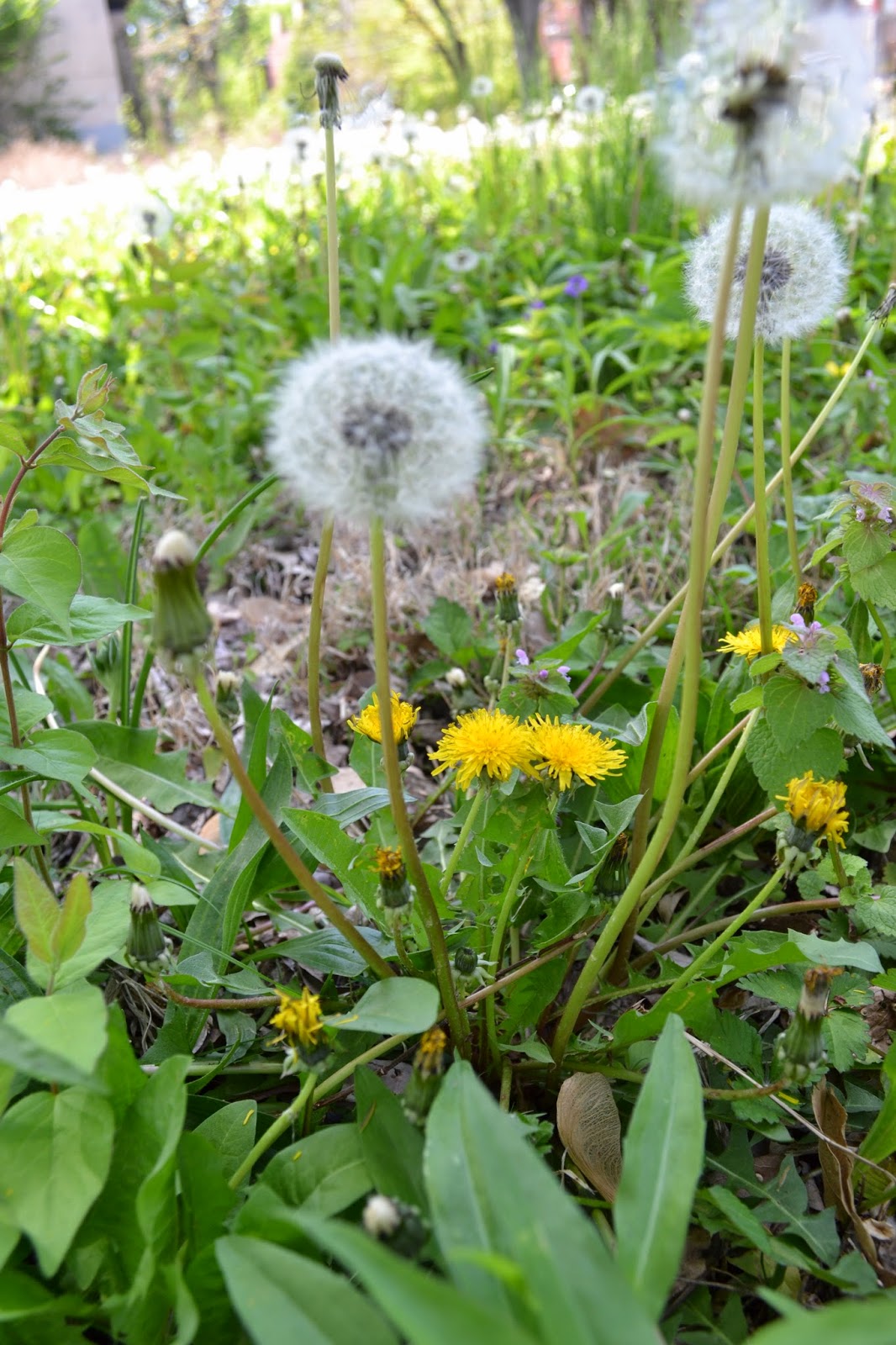
With spring invariably comes a flush of yellow in fields everywhere.  Despite poison and pulling and the tireless efforts of homeowners everywhere dandelions doggedly stick their little stalks and leaves up out of the ground.  They're persistent and able to survive in soils in which garden plants couldn't even make room for a root.  Along roadways, in vacant lots, and yes, in your grass, they thrive.  We see commercials for killing sprays and men standing proudly surveying their dandelion-free lawn.  Since homeownership became common in the 1950s the quality of you as a human being might likely be judged by how weed free you could get your lawn.

Yet the dandelions still thrive.  Today I'm here to proclaim loudly that instead of vilification this plant practically deserves its own holiday.  Yes, you heard me!  Dandelions are one of the most valuable plants in Chinese Medicine, appear in the Pharmacopeias of 4 European countries, and even pop up in the U.S. National Formulary.  These maligned little plants pack a lot of healing help into all their parts.  The roots, leaves, and blossoms of our dear Taraxacum officinale can all be used for food and natural beauty purposes.

Dandelions are one of those abundant resources that we've simply become blind to over time.  They have a fleshy taproot that can penetrate even tough soils.  Many permaculture farmers and gardeners know that dandelions are not just good for people, they're good for the soil and other plants too.  Their taproot goes deep into the earth to transfer nutrients from layers below to the shallow rooted plants that surround them.  The taproot also punctures and aerates the soil, creating a way for water to infiltrate down even through hard soils.  At a permaculture presentation I attended given by Mark Shepard he jokingly stated that there isn't a dandelion within 100 yards of his house on his farm because his family has foraged them all.  It's free, healing food - doesn't get much better than that!  Not to mention they're green and growing much earlier in the spring than most gardeners have crops ready.  That's because they've been out there dormant just waiting for the warmth of spring so they can burst to life.  While you're still waiting for even your cool season crops to get a foothold you can be munching on dandelions.

Health benefits of dandelion leaf and root.  Dandelions contain vitamins A, C, K, minerals, and flavanols

The nutrient concentration abilities of the dandelion make it one of the worlds best foods nutritionally.  That's why you might even see dandelion greens sold in your local organic market.  This always makes me chuckle a bit because this would be one of the easiest plants for people to grow and use and yet they are paying beaucoup bucks for it a premium stores.  If you live in a condo and have no soil to grow in you get a pass, but if you've got a yard then for heavens sakes stop applying herbicide and enjoy the health enhancing dandelions that will grow abundantly for you with absolutely no care and maintenance.  Ignore them and they'll be fine.  Water them and they'll flourish.

The prevalence of greens in the spring is something I've seen many raw and locavore food enthusiasts discuss.  Rhythmically it makes sense.  In the winter one generally is eating a lot of preserved, starchy, and heavy foods.  This would have especially been true in years past when we weren't shipping fresh foods in from South America in the winter.  This can make the body and metabolism sluggish over time.  Spring greens give the body a chance to detoxify, and dandelions are particularly adept at this particular function.  They have compounds proven to cleanse the liver, stimulate bile production, and pull heavy metals from the body.  They're very nutritionally dense as well, and an influx of vitamins is a huge boon to our bodies as we enter a very active, sunny season.

Vitamins and nutrients in Dandelions:
  • Beta-carotene - Dandelions is the plant kingdom's richest sources of Beta-carotene which is then transformed into Vitamin A in your body.
  • Iron - A serving of dandelion greens contains just as much iron as spinach
  • Vitamin K - Dandelions have 535% of your Rda of this fat soluble vitamin.  It contributes to good blood flow and healthy blood vessels and may help to reduce bruising.  
  • Vitamin C - Antioxidant and anti-aging
  • Minerals - Dandelions contain potassium, calcium, magnesium, and phosphorous.  The root is a particularly potent spot for mineral concentration.
  • Vitamin B6, Thiamin, Riboflavin
  • Protein - Dandelions are a surprisingly good source of protein, comparable
  • Tof-CFr - A glucose polymer found to act against cancer cells in mice.
  • Pectin - This forms ionic complexes with metal ions, making it a prime compound of use in detoxifying the body of heavy metals.
  • Coumestrol - An estrogen mimic that can help stimulate milk flow and balance hormones.
  • Apigenin and Luteolin - These are flavonoid glycosides that have diuretic, anti-spasmodic, anti-oxidant, and liver protectant properties.
  • Taraxasterol - This may contribute to liver and gall bladder health.

For more details on many of these and further list see this fantastic article on the Leaf Lady.

Find percentages of daily values in this nutritional breakdown of dandelion greens.

To harvest dandelion from a wild place or your yard make sure you know the area hasn't been sprayed.  If you're harvesting for leaves young plants will be the most tender and least bitter.  If you want the root then look for mature plants early in the spring.  They've stored nutrients in their root and that makes it a potent time to harvest.  The soil is also loose from frost and will make your digging or pulling easier.  If you have packed soil you'll need a trowel to dig in and loosen it before you lift.  Pull from the base so it doesn't break off at the leaves.

Once you've got your roots and leaves clean them up.  The roots should be chopped and dried in a dehydrator or on a pan or screen in a spot with good air circulation.  It may take 3 to 14 days for complete air drying.

If you want to make dandelion "coffee" which is roasted then you can dry and roast the root at the same time.  Place the well-chopped root on a pan in the oven at 250F.  Place the oven door ajar to let moisture escape if you have a lot of root on your pan.  A single layer is best and will roast most evenly.  Stir periodically to prevent burning and to keep everything roasted consistently.  The root will shrink considerably as it dries.  As it gets dry watch it most closely toward the end as it can burn fast once there is no moisture left in it.  The root will be a nice medium brown color when finished.

How to prepare dandelion leaf and root to use for dandelion smoothies, dandelion tea, and dandelion coffee

To use dandelion greens you can incorporate them into salads and smoothies.  The vitamin content will of course be highest if you eat them raw.  The vein of the leaf is where a lot of the bitter flavor is so if that bothers you it is possible to strip the delicate leaf part off the vein, but of course that is a lot of work.  If you chop them very fine and mix them thoroughly with your chosen dressing prior to adding them to the salad this will help mask bitterness.  To put them in smoothies just substitute them for any existing greens in the recipes you have on hand and blend away!

Of course I'm a big fan of eating for beauty, and all the nutrition in dandelions is going to definitely take great care of your skin.  Detoxing your body and aiding your digestion will also be of huge help for your appearance.  The better you digest the more nutrients your body can use from the foods you eat.  

We all want that inner glow which unfortunately becomes impossible if your digestive system isn't functioning well or is building up chemical metabolites.  Unwanted chemical burden builds up in our bodies from exposure to environmental pollutants, pesticides, plasticizers, synthetic personal care, paint and coatings, and preservatives and additives in foods in addition to other sources like prescription medications.  The liver does a big job of metabolizing foreign substances and enzymatically transforming them into compounds that are less harmful or can be excreted.  Over time the byproducts of this process can build up in the body due to the liver being overworked and sluggish, or due to inefficient elimination.  Even your body's own hormones are filtered through the liver.  Therefore if your skin is having a hormonal acne freakout your liver might be someplace to spend some TLC.

All this makes dandelions even more exciting because they support the healthy function of your digestive organs *and* detox your system.  Hello glow!

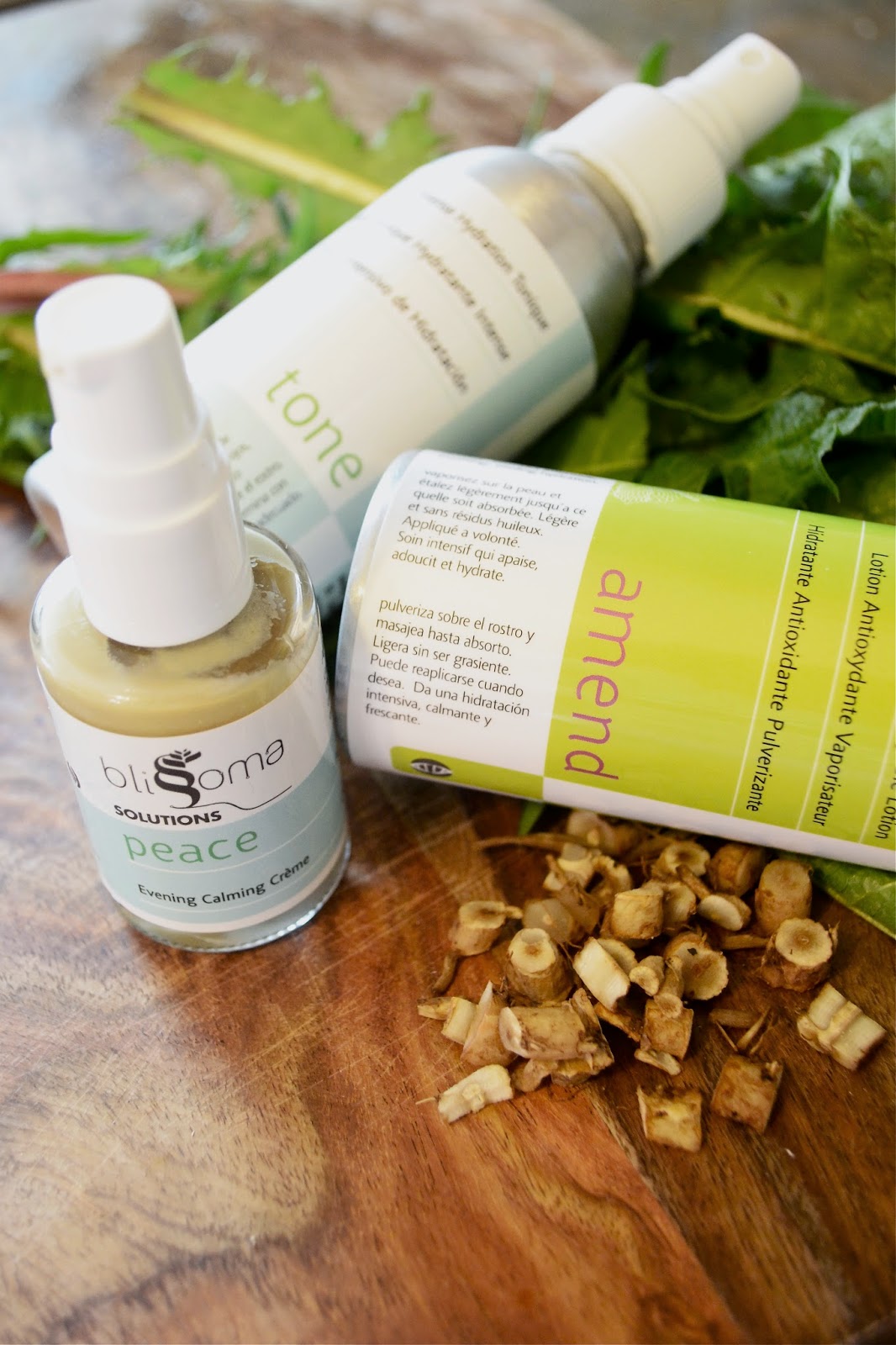
But it doesn't stop there.  You can put them on your skin as well for healing benefit.  An infusion of dandelion root yields a plethora of hydration balancing potassium and trace minerals.  Minerals are one of the most overlooked components of good skin hydration and function.  Most lines can talk your ear off about their vitamins and antioxidants but completely leave out minerals.  Blissoma has made sure to use mineral rich herbs and seaweeds in many of our products. They help regulate the water in the skin so you don't get puffy but still have comfortable hydration in all the right places.  Dandelion is a wonderful source of potassium which is one of the most helpful electrolytes for maintaining good skin hydration and barrier function.

Benefits of dandelions for your skin.  Minerals in dandelion root hydrate skin and help it function well.

The inclusion of minerals is one reason our recipes like Peace Evening Facial Creme and Amend Antioxidant Lotion can be light and absorbent and yet so effective at helping the skin maintain good moisture levels.  It's not just about the oils.  This is also why we believe in products that contain water as well as oil. (Though we do love our oil serums!)  Some folks may complain that products containing water are a waste of your dollars.  The fact remains that minerals and many phytonutrients like the anti-inflammatory compounds and flavonoids in herbs like dandelions cannot be carried by oils.  Minerals especially are water soluble and must be delivered through good old H20.  So if you're using products with good quality, water-based herb extracts like our Tone Intense Hydration Tonique (which also includes dandelion and other soothing herbs) you're still getting all kinds of beneficial compounds - it's so much more than just water.

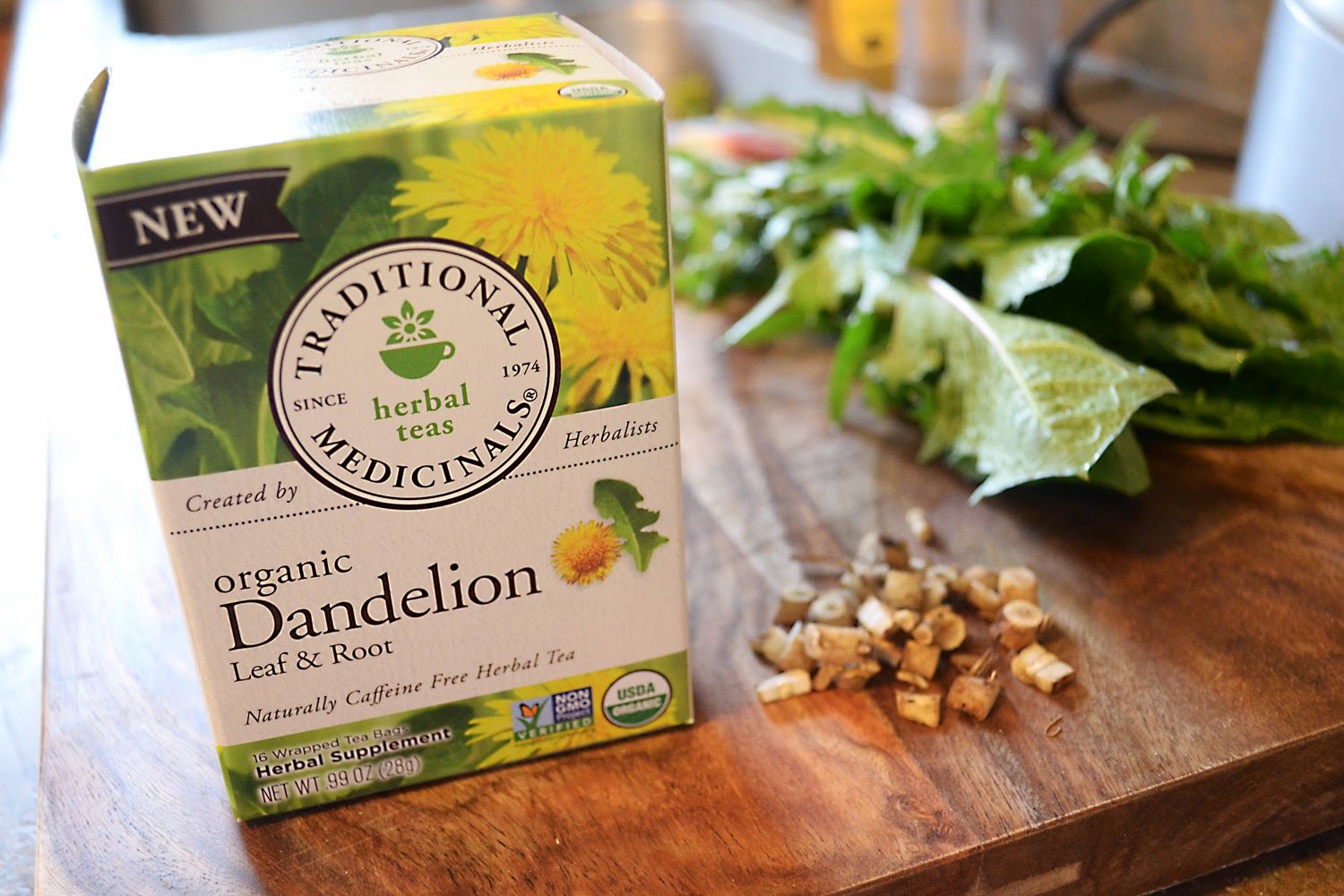
Traditional Medicinals Dandelion leaf and root tea.  Get the health benefits of dandelions from drinking a daily cup of dandelion tea.

If you can't gather wild dandelions then one great way to get them into your system is by drinking dandelion teas.  Traditional Medicinals makes several good dandelion teas that are delicious to sip and will help support your digestive health, hormonal balance, and beauty of your skin.  I highly recommend the raw, unroasted Dandelion Leaf and Root Tea for daily consumption.  It's mild and almost sweet and super easy to brew - just pop the tea bag in hot water, wait 10 to 15 minutes and drink your dandelions down.  

The organic Everyday Detox Dandelion Tea features dandelion leaf and root as well as fennel, peppermint, and licorice.  I personally love that anise-like flavor of the fennel and this blend is nicely done.  One benefit to supporting a product like these is that they are Certified Organic, which means no doubts about toxins if you don't have a field near you that you're sure isn't polluted with pesticides or other problems. 

To celebrate the fabulous qualities of dandelions I also made a video on how to gather and use them.  They're everywhere in the field that hosts Blissoma's community garden project and I'll never have to worry about having enough of my own - it's guaranteed abundance.


Smile when you see that little yellow "lion" flower emerging defiantly from your lawn.  Now you know all the good things it can do for you.

Dandelion root skincare by Blissoma to hydrate and balance skin.  Calming moisturizers for face and body.  Vegan natural skincare.
Note - Traditional Medicinals kindly provided me samples of their teas to evaluate.  I was not paid for my mention of them and all opinions are solely my own in the interest of helping people easily incorporate more healing plants into their routines.


Wednesday, December 4, 2013 in , , , , , , , , , ,

Improve your skin and your health while driving - 3 ways to relax in the car


We're in the middle of a tremendously busy season of work, events, and family gatherings.  Most require time going to and fro and in America's automobile culture that generally means time in your car.  This can be a big drain or a big gain depending on how you address it.

Some people stress more while driving.  Everything from getting cut off to the amount of traffic amps up the tension.  Or perhaps you're a worrier, and spend your drive time caught in a cycle of repetitive, negative thoughts about what happened at work, the barbed email you just got from your ex, or your budget.  None of this is helpful to your body and as I've covered in other blog articles on stress and your skin it can immediately detrimentally affect your skin and bring on conditions like acne, eczema, and dermatitis.

With a few easy, accessible techniques you can short circuit this car quandary and transform yourself from frazzled to beatific as you bop around town.  With the help of Sheila Fazio I tell you how in our recent video on how to "Stress Less While Driving - 3 ways to relax during your drive".

Sheila is a truly gifted healer and a beautiful soul.  I met her at a women's retreat and learned a series of powerful breathing techniques from her that were different from most of the yogic breathing I had been taught before.  Her unique experiences as a social worker combined with her own personal life challenges give her a beautiful depth, approachability, and empathy for the challenges we all face.

Sit with us for 20 minutes and learn what you can do to make your commute conscious and take back the valuable time you spend there each day.


Wednesday, July 31, 2013 in , , , , , , , , , , , , , , ,

A Pickled Beet Surprise - what this root rockstar can offer the health of your skin and body

How beets are good for your health

Beets.  They were one vegetable that despite my mother's "Girl Scout Bite" rule I had never tried even into adulthood.  Why?  For the simple reason that they were never served in my household as a child.  My mom, it turns out, had never liked them and therefore chose never to serve them.  Because I had no habit of eating them and didn't know what to do with them I never specifically chose them despite my longrunning love affair with so many other types of veggies.

Isn't that funny how a simple dislike from one of our parents can result in years worth of stalemate with a new food?  As I have gotten older I have definitely become more adventurous with my eating. I was always interested in ethnic foods and would have told you that I love trying new things.  A simple trip to the big international grocery store in my area taught me about the tiny sliver of foods that I have actually been consuming.  Many of the vegetables there I have never even seen before, much less have any idea how to prepare for a tasty repast.  Lack of knowledge brings hesitation and perhaps avoidance in some cases when new foods are concerned.  My ex would tell you that my first attempt at cooking a Thai soup after becoming enamored with the dish I ate at a local restaurant turned him off Thai for years to come due to my overzealous use of some of the stinkier ingredients.... so in some cases the caution is well advised.

But back to beets.  My first taste of a beet came at the end of a business trip to New York City several years ago.  I had to take the train to Astoria to then take a bus to the airport.  I got off at the last train stop and had time to burn.  I have never been a fan of airport food - too expensive, too limited - and so I made sure to investigate my area for some sustenance prior to departure.  Directly under the train platform I found a tiny, newly opened falafel restaurant.  I adore falafel, especially when it is prepared from a family recipe - oh so tasty!  And bonus, the sandwiches were only $5.  I couldn't believe my luck and promptly ordered my dinner.

Several bites into my intensely delicious meal I noticed something red in my wrap.  What was that?  It was good, whatever it was, and I inquired with the cook.  Pickled beets was the answer.  I was stunned and delighted.  My falafels at home had just found a new accompaniment, one that I never would have chosen on my own.

That sneaky pickled beet that rode in on my sandwich launched a sincere interest in this ravishing root.  I decided that beets most certainly were one thing I would grow.


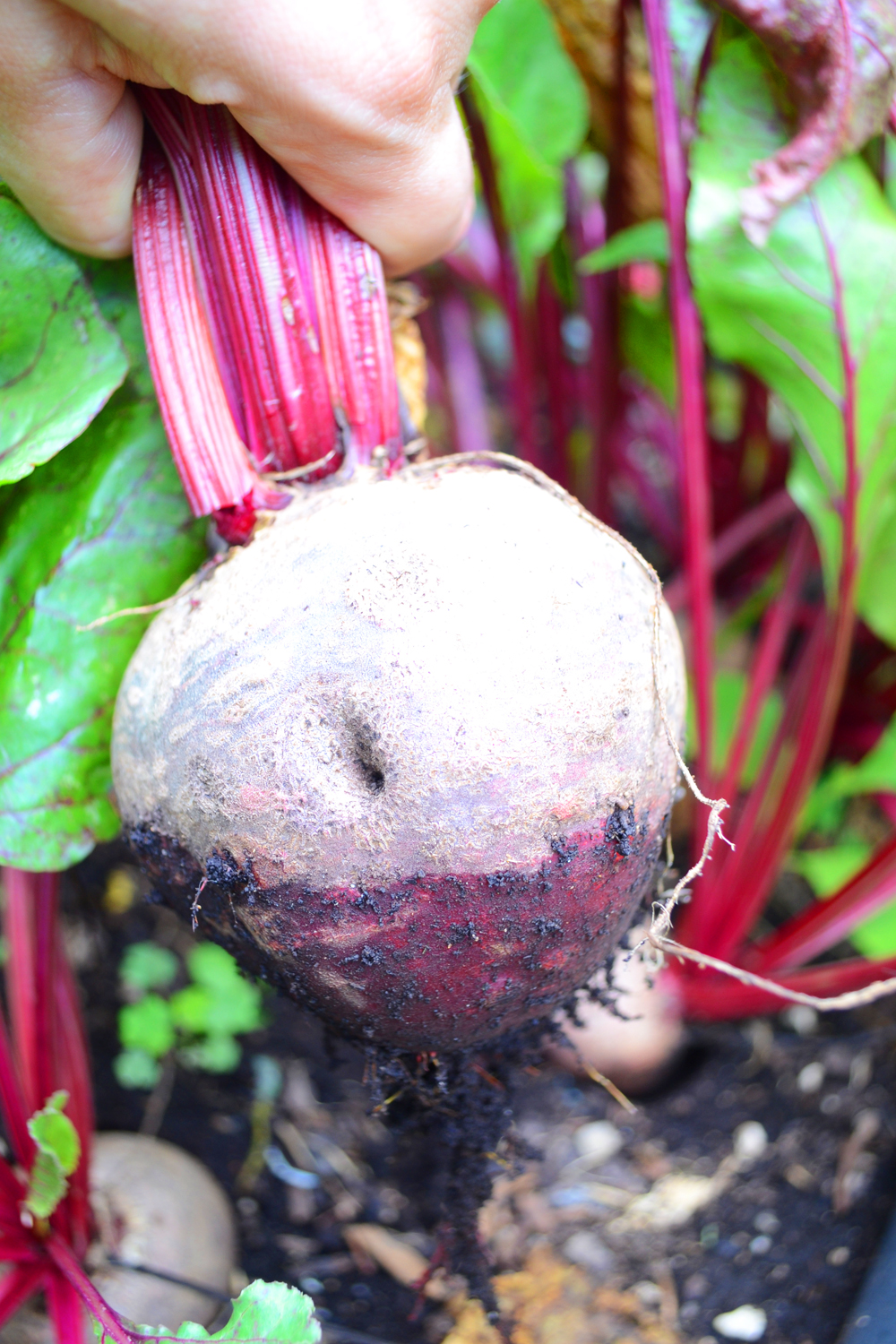
I planted a bunch in the Blissoma comunity garden.  They were ridiculously easy to tend and in a few months we had a bumper crop.  I can vouch that I didn't have a single pest problem with growing these organically (unlike other plants) and they nearly took care of themselves.  As a crop for the budding gardener they are a great bet for a satisfying result.  Unsurprisingly many people, just like me, have not made any habit of eating beets due to unfamiliarity and therefore don't know what to do with them.  I served them to as many friends as possible but still had many left that I couldn't bear to waste.  So like a good thrifty gardener I set about preserving them.


I was longing for that perfect pickled flavor - not too sweet, not too sour, not too salty.  Something you can eat a lot of without puckering or feeling overwhelmed.  As the pickling recipes I found for beets generally included more sugar than I knew I'd like I tampered with one to achieve what has been dubbed truly delicious by the numerous people that have eaten them since.

Since this isn't entirely a food blog, but also a blog about skincare, beauty, and health I'd be remiss if I didn't inform you about the fabulous benefits these colorful veggies bring to your body.  Flavor isn't all you'll get when you venture into the land of beet eating!

Beets are a food generally known in the natural health community for detoxing the body.  Betalains, a special class of phytochemicals found in beets, have been shown to have anti-inflammatory, antioxidant, and cellular cleansing effects.  Betalains are part of the deep pigment you see in beets.  Their concentration is decreased with extended cooking times so if you enjoy beets raw you'll get the maximum benefit.  However we all know that we most readily eat the foods we enjoy so if you like the flavor and texture better when cooked just try to keep your roasting time at an hour or less to avoid degradation of your healing benefits.  A healthy food doesn't do anything for you if you won't eat it because you don't like the preparation!

Beets have benefits for your digestive tract, nervous system, cardiovascular system, and may inhibit cancer cell growth.  The anti-inflammatory benefits are something to truly consider when thinking about skin conditions like acne, eczema, psoriasis, and even just general signs of aging.  Chronic inflammation causes your body's immune system to begin attacking healthy cells.  This can be one cause of degradation of collagen and skin tissues as well as extending to vital organs like the heart.

Psoriasis especially is a disease related to inflammation and improper immune system function.  The immune system begins to attack healthy cells, prompting a buildup of irritated cells as the skin cells attempt to rebuild and reproduce more quickly than they can be shed.  A recent imaging study showed that inflammation is widespread throughout the bodies of people who have psoriasis.  Inflammation was detected in the liver, joints, tendons and aorta.  The anti-inflammatory compounds in beets which inhibit this process by several mechanisms then would be exceptionally helpful in managing the effects of this bodywide problem.

Beets are also a super-rich source of minerals.  They concentrate the minerals found in the ground, many of which are vital for dozens of metabolic processes and reactions in your body.  They give you a great dose of manganese, potassium, magnesium, iron, phosphorous, and copper.

A detoxed body can give you a healthy complexion too.  The raw foodies often expound about how their complexion just seems to glow while eating raw and plant based foods.  This can be partly because a body laden with too many toxins can develop a sallow complexion.  The liver is also responsible for helping process, store, and maintain sugars in the body and if you read my post on how sugar is inflaming and damaging your skin you'll understand how a properly functioning liver can contribute to your good looks.  Prescription and OTC medications are generally metabolized by the liver so our modern use of so many drugs can impact how well our livers are functioning.  Additionally the majority of people that I know do consume alcohol, which is processed by the liver and most people will generally have some load related to alcohol to deal with.  Beets can help keep your liver performing its best through detoxification.

Best ways to eat your beets. 

One simple way is to create a raw juice.  The Heart Fortress beet juice recipe from Young and Raw has got you covered for a basic beet juice recipe.
I've also been mooning over this Beet Tartine with Marinated Caper Berries recipe from My New Roots.  Must try with this year's harvest!
A simple way to serve them is just to roast the beets, salt them, and serve them sprinkled with feta or your favorite nut cheese for a creamy and earthy bite of heaven.
You can also make a tasty soup called borscht.
As I've mentioned they also add a delicious spin to falafel sandwiches!

To add to the mix of options I want to share with you my adapted recipe for pickled beets.  Then next post I'll share with you a recipe for Strawberry and Pickled Beet Salad with Raspberry Vinaigrette that will have your mouth singing happy, beety praises.

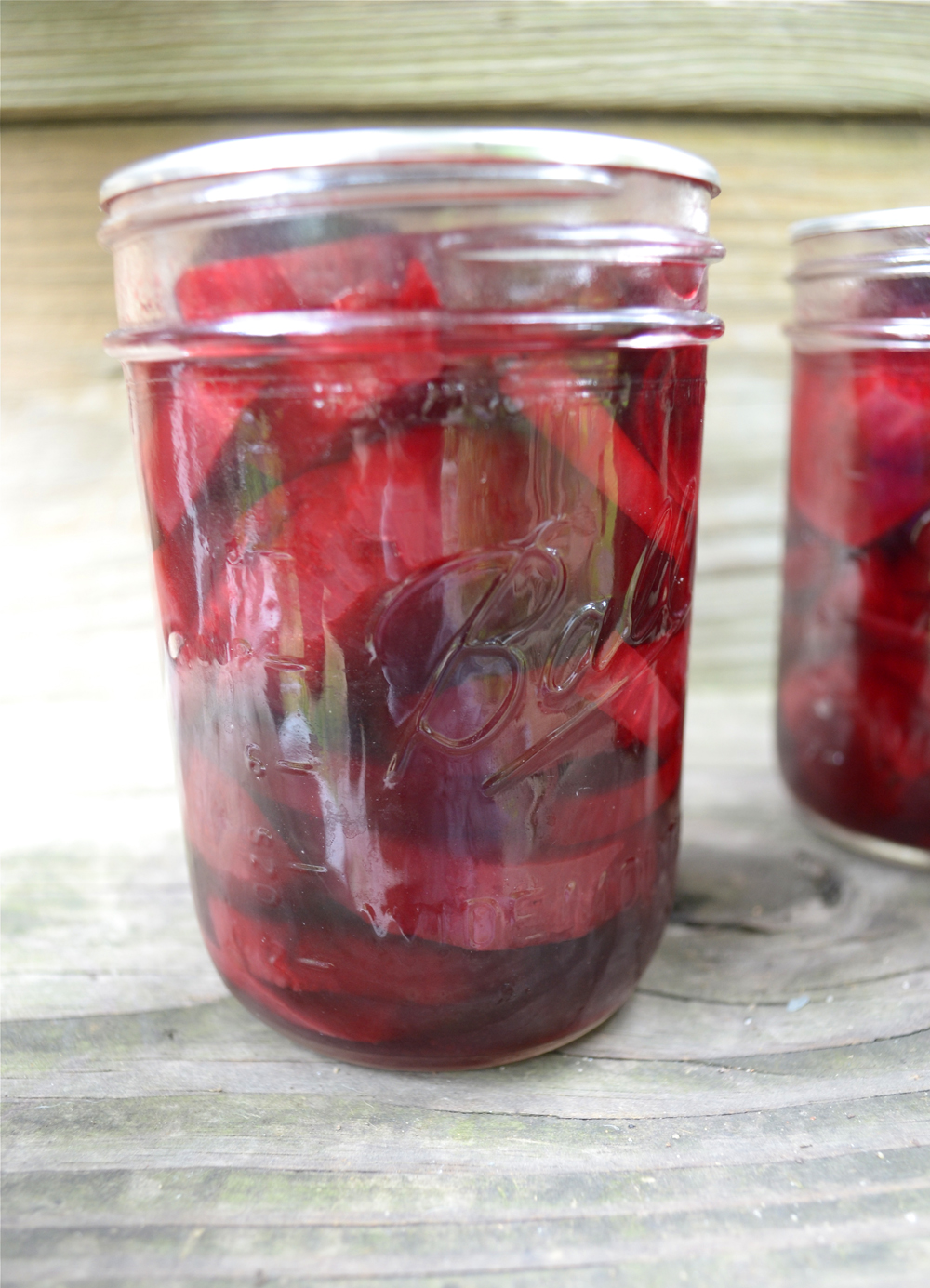
Blissful Pickled Beets recipe

Blissful Pickled Beets

3 quarts beets
4 cups vinegar
4 cups water
1 cup sugar
2 TBSP salt
3 TBSP Pickling spice
Sliced white or yellow onion

Wash beets, oven roast them in foil, peel and slice them.  Try this roasting recipe if you are unfamiliar with how to roast beets.  Set aside.
Combine vinegar, water, sugar, and salt in a pot.  Place pickling spice in a tea ball or muslin bag and add to pot.  Many recipes for pickling spice are available online or you can purchase a blend from the grocery store.  Bring mixture to a boil and reduce heat.  Simmer 15 minutes.  Remove pickling spice.
Pack beets into hot jars layered with onions, leaving ½ inch headspace.  Ladle hot liquid over beets, leaving ½ inch headspace.  Remove air bubbles.  Adjust two piece caps.  Process pints 30 minutes in a boiling water canner.
This recipe can also be used to make refrigerator pickles if you prefer not to hot can them.  Allow to marinate 2 weeks for best flavor, then consume promptly.


homemade pickled beets recipe

Enjoy your foray into the finger-staining adventure that is the beet.  I hope to be hearing that many of you tried adding this many splendored food to your regimen for beauty and health.


Wednesday, February 8, 2012 in , , ,

Consult the Herbal Chemist - Acne Rescue Au Natural Part 3

Today is the final installment in my holistic, healthful, and natural suggestions for acne treatment. Have you been keeping up with Part 1, Part 2, and our article on the link between stress and skin problems? If you have you're armed with a few new ideas to try.

On to step 4 to help you prevent and manage acne...
4. Moisturize and spot treat with something soothing and anti-inflammatory - not drying!!

Here's an important premise even people with acne should remember.


Hydration makes skin happy.


With all the products out there to "dry" pimples or that are astringents a lot of overzealous, concerned folks will overtreat and irritate their skin. It's easy to do. Most marketing revolves around oil being blamed as the source of your problem, but as we've discussed it can be interior triggers like hormones, stress, and the foods you eat. Oil isn't always the culprit.
Acne is an inflamed situation - the pimple itself is swollen, aggravated, and painful. What it needs more than anything is soothing.

One of my primary gripes with Benzoyl Peroxide is that while it can kill acne bacteria it can also really dry and irritate the skin on the pimple and in the immediate surrounding area. So then you've taken a bad situation and made it worse with more irritation to repair. Double whammy! If you can fight bacteria and calm at the same time you'll be in much better shape. Keep your skin supple, hydrated, and calm so it can concentrate on defending itself from bacteria.


Your skin is intelligent and responsive to its environment and what you apply to it. If you are drying, drying, drying your skin your skin will begin to think that it is oil deficient and respond by producing even more oil.

So what about oil-free moisturizers? It seems like a good deal - theoretically you are getting moisturization without excess oil. You should be aware that many creams marketed as oil-free contain highly synthetic emollients, penetrants, and softening agents like this
Oil Free Moisturizer from Alba which contains dimethicone, a silicone which would coat your skin instead of soaking in, and octyl palmitate, a synthetic ester produced from palmitic acid from palm oil that has a silicone-like feel. Octyl palmitate rates a 4 out of 5 as a comedogenic ingredient. Comedogenic means pore-clogging.

What on earth are these formulators doing using coating, clogging ingredients when they know that the people most likely to purchase an oil-free product generally have acne problems!?!?! Please for the love of pete skip using this product or its ugly stepsisters that abound all through your local drug and grocery stores. (And really skip the whole Alba brand, which is the pits in terms of actual natural quality and to which I and numerous others I know have had pronounced allergic reactions). In addition to pore clogging synthetics and silicones you're also getting synthetic fragrance and the most watered-down, fake botanical extracts you could ever find in a product. The part that really hurts is that this product might set you back anywhere from $13 to $30. For that much you can have a really good quality, clean natural product that won't cause you even more problems. Keep moving and save your precious funds for something truly beneficial.


"Oil-free" moisturizers are one of the dirty little secrets of the mass market skincare world. The way they are constructed and marketed is closely akin to how the food industry created low-fat foods by taking out the fat and pumping in a whole lot of artificial thickeners and sugars to replace the mouthy feel and flavor in products.
A low fat cookie is no healthier for you - nearly the same calories, no vitamins, no fiber, and loads of flavoring agents and texturizers. But through the magic of marketing they can smack LOW FAT or FAT FREE on the packaging and people feel like they can eat the whole box. Oil-free moisturizers are the Snackwells of the skincare world. It's all slick sales and not actually good for you.

There's just no reason to use a bunch of synthetic replacements when real, nutrient rich, botanical oils are GOOD for your skin in the right amounts and also don't clog pores. Plus they come with anti-aging benefits as a hefty bonus. Sorry, Octyl Palmitate and Dimethicone, you can't claim anything close to that.

Choices for Oil-Rich and Acne Prone Complexions

1. An Aloe gel or herbal serum like
Dr. Alkaitis Organic Herbal Toner.

The consistency of this lovely product is just perfect. A base of real Aloe Vera and a host of regenerative herbs are a perfect treat to feed and heal. It isn't sticky and though it says "toner" in the title an oily complexion could easily use this product alone to hydrate or in combination with other products. It's amazing and is probably one of my favorite aloe based products I have ever used other than my own line.

Aloe Vera has polysaccharides and glycoproteins that short circuit inflammation, moisturize, and stimulate growth and repair. There's nothing about that your skin won't love.

DON'T just get any old "aloe gel" product from your local drugstore. Most commercial aloe gels are a faked mixture of aloe's polysaccharide components and not even from the actual plant. They're full of synthetic carbomers, colorants, and preservatives. That is a tragic representation of real aloe juice. To assure you're getting the real thing stick to certified organic aloe. The certification assures traceability back to the field. There's so much organic aloe being grown as well that there is no reason a company shouldn't be using it except to cut costs and potentially shortchange you in the bargain.


If you don't have or don't want to invest the dollars in a higher end treatment the best advice is to get a nice hefty aloe plant. Break off a leaf and squeeze every time you want to soothe. Voila! On-demand juice that will leave your face perfectly moist and nourished every time. I have 3 aloe plants for just such purposes.
2. Organic Jojoba Oil (with or without a little essential oil)For a simple, affordable moisturizer try Organic Jojoba Oil, and add 3 drops of your choice of essential oil per each oz for added benefit. Organic Jojoba isn't actually a triglyceride oil, it's a liquid wax. It is highly absorbent and similar to skin's sebum structure, making it perfectly compatible with skin. The addition of essential oil discourages bacterial growth. It's readily available through your local health food store or many online beauty resources and very shelf stable, meaning it won't go rancid quickly. Using a small amount of jojoba can condition your skin and help manage sebum production.

3. Lightweight, Balancing MoisturizersInstead of Oil-free try a lightweight moisturizer that contains small amounts of absorbent, nutrient-rich, plant oils. Oils like argan, pumpkin seed, fruit seed oils like grapeseed, blueberry, red raspberry, and cranberry, and exotic lightweight oils like perilla seed oil pack antioxidants, sterols, and vitamins as well as absorbancy. A small amount won't overdo you.

Can you actually use a straight facial oil other than just jojoba? The answer is yes depending on the oil blend. Just put a little on your fingertips and pat the residue onto the face. Botanical oils often contain anti-inflammatory compounds that will do your irritations a world of good.

For a budget friendly cream moisturizer maybe something like Logona's Clear Skin Moisture Fluid would fit the bill for you. Or perhaps you'll enjoy something from their similarly BDIH Natural Cosmetic certified twin Lavera - their Young Faces Mint Moisturizing Fluid?

Both these products use more neutral oils for their bases but the texture is lovely and European BDIH certification ensures that you're getting a truly natural product that is tested and certified to a strict standard. If you can't go organic then BDIH is a great seal to look for.

4. NiacinamideNiacinamide is Vitamin B3 recommended by natural dermatologists for anti-acne benefits. Read more about Niacinamide in this Livestrong.com article. A 1995 study showed that a 4% Niacinamide product had results better than Clindamycin, an antiobiotic. It's benefits include moderating oil production, building collagen, evening coloration, and helping skin retain hydration so you don't end up dry in the middle of the day. It's a winning ingredient all around for fighting acne problems. And yes, I feature Niacinamide in numerous Blissoma moisturizers including Smooth A+ Serum which contains the recommended 4%.

5. HerbsWillowbark for exfoliation, Chamomile, Comfrey, and Calendula for calming, Yarrow for astringency, Fennel to deter bacteria, Gotu Kola, Echinacea, Licorice, and many more.

As with anything the quality of the herbs matters.
You can get your herbs as extracts in the skincare products you purchase or get loose herbs to make your own infusion for a compress. For a compress dip a clean washcloth in a strong infusion of herbs and water and press it gently to your problem areas. Dip and press again when the washcloth cools.

6. MasksIt's great to have something to apply directly to your problem areas or as a deep cleaning, proactive treatment. A weekly mask is your best answer for a regular routine. Choose something that will offer you a boost and variety of nutrition, perhaps at higher levels than what you use daily.


Clays are one of the top choices for oil management, pore cleansing, and overall detoxification. There are a lot of clay mask choices in the naturals community available so experiment and try a few so you can decide what works best for your skin. Some come dry and some come wet. For a preblended dry clay you could try this mask from Anne Marie Gianni Skincare, another Fig+Sage endorsed natural skincare brand also endorsed glowingly by the Glamorganic Goddess. For a wet, creamy, premixed clay mask check out our Refine Clay Renewal Treatment. You can also purchase just straight Kaolin, Pink, Green, or other types of clays and mix them with water for your own DIY mask. Leave a dot of clay mixture directly on a pimple overnight to shrink it.


Acid masks and peels are popular for exfoliation and these can be fine used in moderation. If you use them keep it to once a week. Most use fruit acids, glycolic, or lactic acids. Overuse of these can irritate skin so take it easy. Beta-Hydroxy acids like the natural salicylates found in Willow Bark are also a great choice and can be less irritating for some people.


Other DIY mask ideas:

- Mash a Mango and Papaya together and apply to the face. Papaya contains the enzyme papain that will dissolve dead skin cells and exfoliate for you.


- Apply raw honey to the face, let sit 15 minutes, and then wash off. Honey is moisturizing and has natural antibacterial qualities. Purchase a certified organic, raw, unrefined honey for full benefits or at the very least something from a local farm. Why? Because in recent food testing it was found
that most honey at your grocery store may not really be honey at all. Lack of pollen content in highly refined "honeys" means there is no way to verify that it is truly honey. Local honeys by small family farms all had pollen content, and certified organics will be traceable. Considering this information you might want to change the honey you're eating too!

- Use organic, full fat, unflavored Yogurt to deep condition and provide a burst of pro-biotics. Make sure you get organic and unflavored as mass market fruit yogurts mostly contain a lot of sugar, flavorings, artificial color, and preservatives.


- Try this recipe for a Chocolate/Avocado/Honey/Green Tea/Oatmeal mask.

- A Cucumber/Yogurt/Clay mask might be to your liking and this recipe from The Herb Companion will tell you just how to do it.

- Steam your face with herbs for deep pore cleansing, detox, and toning. Use the Chamomile, Peppermint, Rooibos, and Green teas already in your cabinet at home for a
steam experience using these directions.

There are so many ways to treat your acne-prone skin to botanicals that will help fortify you to fight your inflammations and come out victorious. Treating acne problems holistically looks for the root of the problem in order to provide a long term, safe, and sustainable solution.
The best thing is that most changes you can make as part of your holistic acne transformation will benefit your total health as well. There's nothing to lose and everything to gain.

Get to it! We want to see those pretty skin pictures....


in , , , , , ,

Consult the Herbal Chemist - Acne Rescue Au Natural Part 2

Everyone wants to know what will work to solve their difficult acne problems. There's no one magic bullet but you can have a big effect on your biology and environmental factors through what you do. Changing your behavior may make a big change for your skin.


A successful acne remedy generally involves a whole lifestyle approach. Using the right skincare matters but it is also about the foods you are eating and your stress levels. For ideas on how you can start to revamp your eating habits see Part 1 of this series. Going organic and plant-based in your diet is a huge step in the right direction and your total health will also improve as a result. There's so much more to cover with the internal/external health link but today is about how you can simply and effectively treat your acne using skincare methods and products on the exterior. Here's the third step in my recommendations for natural acne prevention and treatment.


3. Use a gentle, natural cleansing routine daily to exfoliate, balance sebum, kill bacteria, and maintain proper PH.

Exfoliation
Exfoliation is a big skincare buzzword, but what is it and why do it?

Skin cells replicate and die off each day as part of the skin’s natural repair and growth cycles. The dead skin cells may slough off but some individuals’ skin may not maintain itself as efficiently. This causes buildup of dead skin cells on the surface and can cause a dull appearance, patchy and flaky areas, and clogged pores. The skin replicates less efficiently as individuals age and regular but gentle exfoliation can help maintain a smooth, fresh, bright appearance. A clogged pore is a pore likely to get a pimple, so helping your skin with its daily renewal is a great idea.


Exfoliation can be done manually with a mild abrasive, but a gentler way to go at it can be enzymes such as Bromelain from Pineapple, Papain from Papaya, and even Kiwi Fruit juice will dissolve dead skin cells. A mild acid like the Beta Hydroxy Acid salicylates in Willow Bark will dissolve dead skin cells too. Even just using a terry washcloth to gently wipe your face while removing your cleanser can provide benefit. Over-exfoliation is not a good thing and gentle is the key word for good results. Take it easy on yourself.

Environmental pollutants and occlusive moisturizing agents like petroleum oils can also block pores so cleansing helps remove these external factors as well as your own dead skin cells.


For the best in gentle and effective exfoliation some people swear by a fun little gadget called the Clarisonic.It has a brush head that gently polishes away dead skin cells. It's a strictly manual method that uses no chemicals at all, and Terri Bly of The Nature of Beauty calls it "the perfect facial cleansing and exfoliating system".

How does it work?
Terri says, "Using ultrasonic technology, the facial brush uses a sonic frequency of more than 300 movements per second to remove 6X more makeup and 2X more dirt and oil than cleansing with your hands alone. Even better, it does so without irritating the skin." For more compelling, complimentary information on the Clarisonic see her article "Why you should have a Clarisonic". It can be used alone with warm water or with your favorite herbal cleanser for added benefits.

Balancing Sebum
Sebum, your natural skin oil, protects the skin and creates what is known as the acid mantle. The acid mantle is hostile to many types of bacteria. It also serves as a food and breeding ground for other types of bacteria though, such as Propionibacterium Acnes, the bacteria responsible for acne lesions. When sebum levels are overly abundant the bacteria have a ready supply of food, leading to growth. Ideally sebum levels should be enough to provide comfort and protection but not feed bacteria. Daily cleansing with gentle products can remove excess sebum and still leave skin conditioned and comfortable.


Kill/Discourage Bacteria Populations
The first route by which cleansing discourages bacterial buildup is by physically removing anything deposited on the skin through your environment (dirty hands, fabrics and air) and by removing excess sebum that serves as food for bacteria, as mentioned above. The second route can be by actually killing bacteria using herbs, oils, or other medicines. I prefer a strictly botanical approach.


Many natural acne products concentrate on Tea Tree oil due to a proven antibacterial fraction in the oil called Terpen-4-ol. It does directly kill acne bacteria. However, it can also be quite drying and for some people Tea Tree oil prompts allergic reaction.


Most essential oils have antibacterial qualities and are highly mobile into skin, which make them uniquely suited to natural acne treatment.
They discourage bacteria on the surface and work against bacterial growth inside pores. For common antibacterial essential oils that may help manage acne more gently than Tea Tree oil try Lavender, Rose, Palmarosa, Geranium, Cedarwood, Myrhh, Bergamot, and Frankincense.
For more specific recommendations on these and other essential oils from respected herbal and essential oil expert Jeanne Rose see her article "Antibacerial/Acne-Fighting Essential Oils".

Tea Tree oil is suitable mostly for acne in teen and young adult skin types. I would not recommend Tea Tree oil for anyone above the age of 25 due to excessive drying and potential for irritation. Take care with essential oils and always dilute them well before use.


Maintain Proper Skin PH
Your skin is made of proteins. The building blocks for proteins are amino acids. Notice the word acid there. Your skin is naturally acidic with a PH of somewhere between 4 and 6. 7 is neutral PH and anything above 7 is basic.
Many people are damaging their naturally acidic skin PH by using alkaline cleansers. Once the acid mantle is removed or compromised your skin's defenses are down and acne bacteria can flourish. A typical soap cleanser will have a PH of 9 or 10 - solidly alkaline. Some people have more resilient skin than others and may rebound quickly from washing with an alkaline cleanser. Some lucky people have other genetic factors that contribute to a lack of acne bacteria growth. But for those who are exceptionally PH sensitive or have a propensity for acne this PH change can be disastrous.


According to a paper titled The Importance of Skin PH by Gil Yosipovitch, MD and Judy Hu, MD from 2003 it can take skin up to 14 hours to return to normal PH. That means if you are washing twice a day with a soap cleanser your skin may never be reaching optimal PH, leaving you vulnerable to acne bacteria ALL THE TIME. Wow! That is a skincare juggernaut as far as I'm concerned. Acne is not the only detrimental effect from skin PH being too high. Some people may simply be experiencing dryness or discomfort, so proper PH isn't just for acne sufferers. Increased skin PH is also related to other disturbed skin conditions like eczema and dermatitis.


If you're using a soap-based cleanser and have acne problems stop now and switch to something with an acidic PH that will not damage your acid mantle.


How can you tell if a cleanser is a good PH for you? Unfortunately many of the natural facial cleansers that are available, even liquid cleansers, are soaps. Look for "liquid castile soap" or "saponified oils of" in the ingredient declaration. Other ways it may be listed is "Sodium Cocoate", "Sodium Olivate", "Potassium Cocoate", "Potassium Olivate" or potentially as just botanical oils and then Sodium Hydroxide or Potassium Hydroxide.

Cream cleansers, oil based cleansers, and those using mild glucoside cleansers like cocoglucoside and decyl glucoside would be something to look for instead. I still have my personal preferences even within PH correct cleansers but the point is to help you make an educated decision about what product is right for you.


None is what I'm saying is meant to speak badly overall of natural soaps. Natural soaps are wonderfully simple products and generally toxin-free, which is how they've made their way so well into the routines of many natural and organic lifestyle lovers. However, when I get a client who tells me they've used many natural skincare lines and are still having no luck with their persistent acne a non-soap cleanser is the first thing I recommend. Change your cleanser and see what happens for you. Improper PH may be the culprit.

A cleanser to try that would be correct PH, soap-free, and the pinnacle of clean ingredients would be Intelligent Nutrients Certified Organic Anti-Aging Cleanser.


As evidence of what the right, non-soap cleanser can do for acne-prone skin check out this proud, bare-faced Twitter post from one of our fans of Fresh Mild Rice Cleanser.

Also watch this video from ILuvJesse444 who thought she had oily skin with her acne but it turns out a cleanser switch to a non-soap made all the difference.


Cleansing is incredibly important and the right cleansing routine can change your whole skin condition.
Make the commitment to find the proper cleansing routine for YOU and the benefits will come. Whether it's the Clarisonic, an essential oil, or a cleanser product something is out there that will set your skin up for success.

I'll be back tomorrow with some moisturizing, spot treatment, and mask ideas to finish off. Stay tuned!


Thursday, September 1, 2011 in , , , , ,

Consult the Herbal Chemist - Teenage Acne Rescue au Natural


Dear Julie,


"For the past year I have been struggling with acne and it has heavily brought down my self confidence. My brother is always teasing me about my acne and makes fun of me for it and it really brings me down. I have tried using drugstore products for my acne and they either have broken me out more, irritated my skin or didn't work at all. I have tried Clean and Clear, Neutrogena, Clearasil, OXY, Boire, Garnier, and a few others which have all wasted my money... School is starting in a few weeks and I want to have clear skin and not have to stress about my skin all the time! School is enough stress already! Thank you for taking the time to read this,

A."
I have been getting many, many emails like this recently from teens stressed out and frustrated by their acne. It really tugs at my heartstrings. I know how hard it is to go through such an important time with skin problems. There's a lot that you can do, and many of your options are herbal and natural, which you won't hear about in ads or from your dermatologist. They are also some of the most effective ways to deal with acne.

Part of the frustration so many teens experience comes from lack of information about remedies that might be available other than mass market drugstore products. Despite the fact that these brands are the most heavily marketed for acne problems, affordable, and the most widely available products they are absolutely NOT what I would recommend that you turn to. In fact if that is what you have been using, please stop. Using something like this is irritating and disrupting your skin's ability to balance itself. Balance is what you are ultimately seeking.


Benzoyl Peroxide is ultimately one of the worst things to use on a pimple. Just do a quick search for Benzoyl Peroxide side effects and you get:
"Dryness; feeling of warmth; irritation; itching; mild peeling, redness, or swelling of the skin." These side effects are very, very common. Ever notice how a pimple gets really dry and the skin peels at the end? This is part of the process when using a Benzoyl Peroxide treatment. By applying it you've further irritated a section of skin that was already in dire straits to begin with. This is just plain wrong.


Acne is a bacterial problem but it is also an inflammation problem. Your skin's natural defenses had to be disrupted and compromised in order for a breakout to ever happen in the first place. What I recommend is a regimen that will restore your skin's ability to protect and heal itself.


- What are the Exterior Triggers for Acne?

1. Blocked pores (from dead skin cells, sebum, makeup)

2. Improper/Basic skin PH (allows acne bacteria to flourish)

3. Too much sebum (feeds acne bacteria)


- What are the Interior Triggers for Acne?

1. Increased androgens (sexual hormones that go way up at puberty)

2. Stress (causes less circulation to the skin and hormone imbalance)

3. Poor diet
Without attention to BOTH of these components your likelihood of success is much lower.

- How to deal with your Acne problem naturally!


1. Eat amazingly healthy, fresh, organic foods.

2. Get adequate sleep and relaxation.

3. Use a gentle, natural cleansing routine daily to exfoliate, balance sebum, kill bacteria, and maintain proper PH.

4. Moisturize and spot treat with something soothing and anti-inflammatory - not drying!!


Surprised to see eating healthy at the top of my list? Eating healthy foods is the best way to get your body to overall health, and that includes skin imbalances. Eating healthy is one of the most mysterious and elusive things in the SAD - or Standard American Diet as it is widely now known.


Being a teen and trying to make the choice to eat organic can be a challenging task. If your experience is like mine was then you are expected to eat with the family generally, which can mean a lack of choice in some situations. School food is generally no picnic either. Most cafeteria attempts at healthy food are a dismal failure for taste, freshness, vitamin content and freedom from additives.
You CAN take control of your food, though! I went vegetarian at the age of 15, and have continued to improve my food habits over my life.


Your effort and desire to be healthy is worth a conversation with your parents. I know talking to parents can be difficult, embarrassing, and it seems like they don't understand. (Been there!) If you ask for a moment of their time to very frankly discuss your concerns about your health and how your skin is really stressing you out I think they'll respond. Ask for their help. Parents actually LOVE it when their kids want their help.


If your parents are not into eating really clean, fresh, organic foods then I'd suggest buying a recipe book or diet book that has information on vegan, raw, or vegetarian eating styles and suggesting trying some of the recipes as a family project.

My mom and I purchased the Horn of the Moon Cookbook when I went vegetarian. My mom was feeling like she couldn't cook for me anymore, which was a problem as she really liked to nurture through food. Getting a veggie alternative cookbook was a good way to help re-establish the family bonds that happen over food. We could experiment and learn together! 18 years later it is still one of my favorite veggie cookbooks and has a place of honor on my recipe shelf. It offers good replacements for many traditional American dishes. It is not a cookbook for gluten-free, raw, or vegan foods, however, so if you are seeking those options you'll need a different book. Thankfully these days there are lots more options out there.

Someplace you can turn online for help and advice with going Vegetarian, Vegan, and organic is The Vegetarian Resource Group. Check out their site for lots of nutrition information, recipes, and even a full page devoted to teen vegetarian nutrition.
Try to eat as many vegetables as possible and cut out most, if not all meat from your diet. Conventional meats are laden with growth hormones, which aren't going to do your androgen levels any favors. Some sources will also recommend that you cut out milk and milk products completely because dairy is essentially a hormonal food, designed to grow babies quickly. I simply recommend you do what you can. Trying to do something too extreme too quickly isn't sustainable, so make small steps that you know you can keep up with. Cutting out or reducing meat is a huge first step for most people. Just do what you can.


The more veggies and fruits you eat. the better. The more raw, unprocessed foods you eat, the better. Stay away from prepackaged foods as much as possible. Food additives can be responsible for a whole host of inflammatory responses including
acne, ADD, even rashes. The more fresh, organic, unprocessed plants you can eat the more your skin is going to glow. By eating fresh fruits and vegetables you are not only eliminating harmful additives but dramatically boosting your vitamin and nutrient intake.


Challenge yourself! See if you can do better than 5 fruits and veggies a day by making fresh produce the center of every meal and snack. Achieving that goal can be as simple as eating an apple instead of a pudding cup, or some carrots instead of crackers.


And, repeat after me: Organic, organic, organic.

Organic produce has been now scientifically PROVEN to be higher in nutrient content than their conventionally grown counterparts. You can see that study, published in 9/2010 for the proof.

There are even MORE studies posted on the Organic Trade Association page.

The more produce you eat, the more pesticides you stand to ingest if you are not eating organic. I know the cost can seem high, but when you consider the amount of money that it costs to fix all the problems that poor diet can cause eating well starts to look like a great value overall.


For information from my blog on dealing with acne and how stress causes it check out my previous post, In-depth about stress and skin problems. There's lots of relaxation tips that should help you with your school routine, social stress, and yes, even brothers.


For some great further reading on how food can affect your acne check out these posts on other sites:

Crazy Sexy Wellness: Do Milk and Sugar Cause Acne?

Epic Beauty Guide: 3 "Secrets" to Clear Skin (No More Acne!)

I have also found a lot of helpful info on discussion threads in the Acne.org forums. You can view threads for information even if you don't join.

I'll cover topical treatments in my next post. For now, get out and get yourself some healthy foods. If you want, comment and tell me a fresh food you are going to add to your diet, your new healthy, portable school snack, or a recipe you are trying. I love to hear from you! 


Copyright 2011 Blissoma and Julie Longyear. Powered by Blogger.