Consult the Herbal Chemist

Showing posts with label Consult the Herbal Chemist. Show all posts. The posts are listed in chronological order. Click the post title to read more.

Friday, March 27, 2015 in , , , , , , , , ,

Why Some Skin Types Should Stop Using Coconut Oil - the mixed results of this otherwise healthy oil


Coconut oil may not be right for your skin type - coconut oil causes breakouts, coconut oil makes my skin dry

Coconut oil has gained a big following in natural beauty circles in recent years.  This oil does have a significant list of benefits including the fact that it is readily available at many natural food stores, affordable, shelf stable, 100% natural and nontoxic, and not environmentally problematic.  Books such as The Coconut Oil Miracle tout its extensive health benefits as an immune system support, weight loss aid, digestion and nutrition absorption aid and many other traits.  A simple Amazon search pulls up over 10 guides to the benefits of coconut oil including one specifically dedicated to pets and another for oil pulling.  I've personally found it to be fantastic for cooking and the flavor of virgin coconut oil makes a delectable popcorn topping for a Saturday evening movie at home.  Combine it with a bit of truffle oil, salt, and onion powder and you've got a mouth party like you've never known before.  

With all those delightful qualities you might be surprised to hear me say that in skincare coconut oil gives extremely mixed results.  Coconut oil is used in a starring role for everything from a makeup remover to a general moisturizer, and is frequently one of the first natural oils people experiment with for home recipes and DIY beauty.   Unfortunately for very dry skin and acne prone skin the results of coconut oil often skew towards breakouts and increased dryness. 

This incredibly popular post has been updated and reposted on the Blissoma.com home website blog in two sections.  We have added fresh research that can help you figure out how to fix your skin if you think coconut oil may be causing you problems.

Post #1: Is Coconut Oil Causing Dry Skin?  What You Need to Know.

Post#2: Is Coconut Oil Good for Acne? Surprising Info on the Popular Skin Care Ingredient.

Thank you so much for all the amazing response we have gotten over the years on this post!  Because of your many comments and incredible feedback we knew it was worth the effort to edit and share it in a permanent spot on our home site.  We hope you enjoy reading it there.


Monday, July 1, 2013 in , , , , ,

The Importance of PH for Skin (and flashbacks to Jr. High chemistry class)


PH is one of those things that many folks may remember from basic chemistry class in Junior High or High School.  It's also one of the things the skincare industry loves to bandy about as a reason to use a toner or to sell you a product that claims to be "PH balanced".  Like many other terms in the skincare industry there is no actual standard for what the phrase "PH balanced" means.  For shoppers that means your best plan is to get a better understanding of this issue so you can avoid discomfort or just being convinced to purchase products that are not ideal for your skin.

From youthful days in middle school you may remember pipettes and putting liquid drop by drop into a beaker to watch for a color shift, telling you the PH had changed.  This is, of course, assuming that you weren't too busy staring at your cute lab partner or daydreaming about pizza, new shoes, or your latest drama with friends (and there was plenty of that).  The very important issues vying for our brain space may have caused some of the chemistry to float out as soon as it was unused.  Not everyone revisited that knowledge in later classes so for the sake of all we'll go over the basics.

PH is a measure of the free H+ or OH- ions running around in solution sending off electronic charges.  You might recall that neutral PH is a 7 on the scale and anything below 7 to 0 is acidic and has H+ (Hydrogen) ions.  Above 7 to 14 is basic or alkaline and has OH- (Hydroxide) ions.  This knowledge is also handy for keeping fish alive in aquariums and growing plants, as water and soil PH can have drastic effects on living things attempting to make a home in either environment.


Your skin has a natural PH of about 4.7 to just under 5.  That is an acidic PH.  Your skin is made up of protein which in turn is made up of amino acids.  There is also a protective acid mantle on the skin that provides you natural defense against your environment.  That means there's at least some happy H+ ions hanging out on your skin.

According to scientific evidence it is beneficial for the good bacteria and flora on your skin as well as keeping skin moisturized to maintain a PH below 5 as much as possible.
 
"Not only prior use of cosmetic products, especially soaps, have profound influence on skin surface pH, but the use of plain tap water, in Europe with a pH value generally around 8.0, will increase skin pH up to 6 h after application before returning to its 'natural' value of on average below 5.0. It is demonstrated that skin with pH values below 5.0 is in a better condition than skin with pH values above 5.0, as shown by measuring the biophysical parameters of barrier function, moisturization and scaling."   Lambers H, Piessens S, Bloem A, Pronk H, Finkel P, 2006


This same evidence shows that your natural defenses are decreased when your skin PH is raised too high.  Another study, The Importance of Skin PH by Gil Yosipovitch, MD and Judy Hu, MD from 2003, found that it can take up to 14 hours for skin to return to normal PH after washing with a soap cleanser.  Skin conditions like eczema, dermatitis, and dry skin can also cause unwanted increases in skin PH all by themselves, which soap only aggravates further.

While your acid mantle is eroded your defenses are down.  That leaves you more vulnerable to acne bacteria, moisture loss, and irritation.

While Blissoma does make 2 soap bars that are designed to be mild enough for facial use the fact remains that anyone with an irritated skin condition or who is prone to acne should use a low PH, non soap cleanser.  I generally recommend our soaps to younger individuals or just to people who have resilient skin.  If you are not prone to irritations, dryness, acne, dermatitis, or eczema then you should be able to use a bar soap without trouble.

However, if you do have skin that is prone to any of these irritated conditions you should use our Fresh Mild Rice Cleanser or Free Rejuvenating Herbal Gel Cleanser for best results.  These cleansers are both acidic PH of about 4.5, perfect to keep your skin at the acid PH it loves.

All of Blissoma's moisturizers are made with a skin-friendly acidic PH as well to work with your acid mantle and replenish hydration.

Cleansing with soap based cleansers is one of the primary things unfortunately going wrong in the natural skincare world.  While natural liquid soaps can be wonderful products for cleaning your home and even your hands they are not ideal for your face.  You may be surprised what a simple switch to a PH correct cleanser can do to heal your skin.  Acne can be reduced just by this simple switch.

So what about that toner the lady at the department store counter is trying to sell you to "correct" the PH of your skin after toning?  Can a toner do that?  Well, sortof.  Applying an acidic product will help urge your skin back towards a happier, acidic PH if you've just used a basic cleanser or if you are located in an area with high PH water.  Quite frankly, though, nothing can replace your actual acid mantle except your own skin working hard to restore itself.  It's ideal to avoid disturbing it at all when you have irritable skin.


If you are going to use a soap is there a reason to choose a bar soap over a liquid soap?  Yes, there is.  Natural bar soaps are more superfatted than liquid soaps, which means they have extra oil in them that was not made into soap by the lye reaction.  This extra oil helps deposit nourishment as the bar cleanses.  Blissoma's facial soaps also contain portions called "unsaponifiables" which are fatty portions of the oils that cannot be made into soap and come from solid oils like Shea Butter.  These are calming and emollient for skin.  Unsaponifiables cannot be used in liquid soaps as they would still be solid or would cause cloudiness.  This is one way bar soaps are superior for moisturizing skin versus a liquid natural soap.

Cleansing in particular is one of the steps of skincare routines that is frequently done improperly.  People think washing their skin is no big deal.  Many people think moisturizer must be much more important since it is on for longer.  Unfortunately this is just not true.  If you are cleansing your skin in a way that is incompatible with your PH balance needs you are upsetting your skin for the whole day to come.  Your moisturizer cannot fix that.  


Your overall skin comfort and  health will be dramatically improved if you cleanse in a way your skin can tolerate.  For many people this means transitioning off of soap and onto acidic PH cleansers.  This is especially true for your face, which is much more delicate skin than much of the rest of your body.  You may still be able to get away with using a good quality natural soap to cleanse your body but receive dramatic benefits when you use a non-soap cleanser on your face.

Oil Cleansing Method would qualify as a routine that doesn't damage your acid mantle.  It uses clean oil to lift dirty oil from your skin, and since oil is made up of fatty acids that acid aspect makes it really friendly. It's not ideal for everyone though, so the good news is that most gel and cream cleansers also fall into the non-soap cleanser category.  Some people even debate the worthiness of cleansing with water at all - which in some ways is understandable if your water PH is an 8 as that would indeed be irritating.  I'm a big fan of cleansing though as a good bit of gunk can build up on your face day in and day out.  I just like to do it with a product that is soothing, not stressing, and I'm personally a twice a day girl to maintain my skin's brightness and comfort.

I hope this information helps you transition to a happy PH for your skin.  Let me know if you try switching to a skin-friendly non-soap cleanser and the difference it makes for you.
 

Wednesday, May 22, 2013 in , , , , , , , , ,

Does this cupcake make me look old? How sugar is aging your skin.

How sugar is aging your skin

Consult the Herbal Chemist - Sugar and your skin
If you're a person "d'un certain âge" or even someone slightly younger it's time to face up to the truth about sugar.  Put down the cookie and your caramel flavored coffee and lend me your ears, cause it's time for a smackdown.

Most of us are well familiar with the fact that refined sugars especially are empty calories. Unless you've had your head inserted in a box of Captain Crunch ostrich-style for the last decade or so it's no secret - sugar offers only a quick caloric spike, a dive into abysmal blood sugar depths after the high, and no trace nutrients whatsoever.  It's a dietary distraction at best.  Sugar is like that bad boy from high school with the motorcycle, the sexy smile and dangerously good looks that gives you one hell of a ride physically and emotionally and then drops you cold, craving more, and definitely worse for the wear.  The alarm bells go off but we don't listen - we're suckers for the rush and we just want more.  How could something so much fun be so bad??  But oh, it is.

Sugar is like legal crack to your body.  It's fuel but it's addictive.  It changes your brain chemistry so memory functions are impaired and you're more prone to depression and dementia.   Sugar is also linked to the release of opioid, euphoric chemicals in the brain which causes you to go back for more like the little red rubber ball attached to a paddle.  You're after that next hit, after which you just bounce back for more.  High consumption of sugar in all its forms (glucose, fructose, sucrose, processed grains, etc) prompts you to retain weight, can spur the onset of diabetes, and prevent you from consuming quality foods that actually have benefits for your body.

But that's not all.  Sugar is also a culprit in aggravating acne, and recently has been implicated in the onset of wrinkles and age related damage.  Your skin can quite literally be a billboard for every Cinnabon and eclair you've ever eaten. 

Your age shows by virtue of AGEs - Advanced Glycation End Products.  These are chemical compounds created by the presence of excess sugar in your body that react with, harden, and thereby degrade your collagen and vascular structures.  Glucose in your bloodstream attaches itself to a lipid or protein in your tissues to form them.  Skin's youthful appearance is supported by collagen, a prime target of AGEs.  Nutrient delivery to the dermis comes via tiny capillaries which can become hardened and restricted through glycation.  The AGE buildup process becomes exacerbated after age 35 and continues to worsen with advancing years.  Unless you don't give a hoot (and chances are you give at least a little one) then as you reach your third decade of life you should be fighting to preserve your skin structure like an ecologist preventing a piece of native prairie from being bulldozed.

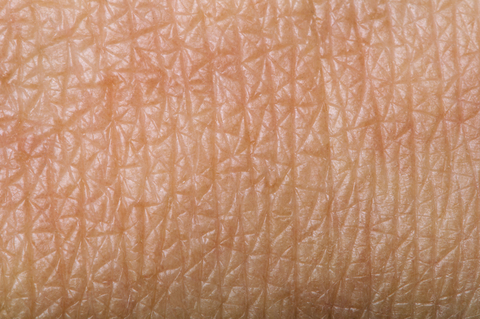
skin wrinkles from eating too much sugar

AGEs are formed in large part by consumption of simple, processed carbohydrates, though they may also accumulate by a few other routes such as oxidative stress, sun exposure, and even consumption of foods that are fried, grilled, roasted or baked. (per the European Journal of Clinical Nutrition January 2013)

The good news is that this means those fine lines, the sagging, and loss of firmness are to a degree within your control.  While our bodies need some sugars as part of our diet for at least a portion of our fuel avoiding excess and refined sugars can make a marked impact on your efforts to retain your youthful visage and healthy resiliency inside as well.

Restorative Recommendation: Cut your consumption of foods containing excess sugar and high levels of refined carbohydrates.

This can be a really tough proposition for a lot of folks, especially in the USA where sugar is added to practically everything and whole foods are uncommon.  It sneaks its way into you by way of sauces, dressings, processed juices, sodas, most mass market yogurts which are little better than sugared dairy with fake fruity colors, your daily latte (even if you take it without a sweetener, because dairy has a lot of lactose, which is a sugar), and even low fat foods which are pumped up with sugar to replace fat content.

Here's the basics. Sugar is digested and released into your blood stream shortly after it is consumed. The simpler the carbohydrate molecules the faster the release. If you eat a whole bunch at once then what you get is a big blood sugar spike. If you're active at that moment and the sugar is needed as cellular energy it gets burned off. If not then the pancreas has to emit insulin to control the spike and bring levels back to normal, as well as convert the unused glucose to glycogen for storage in the liver and muscles for future energy usage. If you are constantly overworking this cycle insulin is constantly deluging your bloodstream, and excess insulin can cause inflammation.

So you're inflamed, and there's free glucose running about in your blood.  That glucose then reacts with your lipid and protein structures, resulting in glycation.  Those little lines on your forehead you love to fret over are actually all those cookies coming back to haunt you...

No skincare product can eradicate the results of these internal processes.  Your food is powerful and literally changes the structure of your body.  If you think you can get away with a super dose of anti-aging serum and eat your cake too, unfortunately the truth is damage is still piling up.  And, double whammy, a recent study has even shown that sugar consumption increases free radicals in your blood stream and lowers your levels of alpha-tocopherol, the active form of Vitamin E and an excellent antioxidant.  This leaves all your organs more vulnerable, and your skin more prone to sun damage.

Healthy eating is one of the most affordable ways to have fantastic skin. Anti-aging specialty skincare may cost $50 to $200 per product.  With expenses like that buying and eating your organic produce starts to look quite cost-effective and prudent.  

The best results of course would come from both clean eating and excellent, nutritive skincare. If you're binging on processed foods and heavy sugar you are effectively throwing your skincare dollars down the drain.  Not many of us have money to be tossing, and besides the other side effects of too much sugar are dire - increased diabetes risk and all its complications, hardening of the arteries, strokes, arthritis, and other ailments.

It is impossible for you to avoid ALL sugar.  Fruits and vegetables digest as sugar in the body and the beneficial micronutrients that come from plants are valuable, and your body has to run on something.  The goal should be to eat foods that digest and release sugars more slowly into the body.  Fruits, vegetables, and whole grains also come with a lot of fiber that slows digestion and therefore slows the release of sugar into your bloodstream.

How to avoid buildup of Advanced Glycation End Products in your body from food

1. Eat as many raw foods as possible. 
The raw food camp really has something going for it in avoiding buildup of AGEs.  The European Journal of Clinical Nutrition notes, "Browning of food during cooking is used to enhance the quality, flavour, color and aroma of the diet. This process (known as the Maillard reaction) generates large quantities of AGEs."  
Fresh raw foods have none of these complications, and contain higher quantities of beneficial nutrients as well.  Veggies and unroasted nuts are fiber filled and supply antioxidants, omega fatty acids, and lots more good stuff.  Fruits are good too, but be mindful of how much sugar they are adding.  They're the best kind of sugar to have - at least it is bringing lots of vitamins with it - but to avoid AGEs you still need to balance them with consumption of less sugary foods.  Raw or sprouted "breads" and cracker recipes are available on many raw blogs to help you use just whole, raw grains more often. 
One of the awesome things about raw foods is that just by virtue of the fact that they are pure, whole, and unchanged you can be sure easy-peasy that they don't contain added sugar.  That's one load off your mind and makes your eating simpler.  Processed or packaged foods must be examined closely.  Dried fruits often contain added sugar, making what otherwise seems like a natural, healthy choice into something you should limit.
Meat might seem like a fine way to avoid sugar - a la Atkins - but the problem becomes that most meat is cooked, and as I'll cover below the way a food is cooked determines its content of AGEs as well.

2. Cook foods only by boiling, steaming, poaching, boiling or slow cooking.  Avoid dry heat cooking methods like baking, grilling, roasting, barbecuing, and frying which exposes fats to oxidation and rancidity in addition to AGEs.
Wet heat cooking methods were found to have the lowest AGE formation.  Grilling and barbecuing have already been found to create carcinogenic substances in meats especially - that blackened crispiness is packed with Heterocyclic Amines or HCAs, which are cell mutagens. 
Other roasted foods are also suspect, even ones you might not immediately think of.  Coffee, for example, is roasted to give the beans their lovely dark flavor which means coffee could increase AGEs in your body.  Roasting is very common for nuts to give them flavor.  Even roasted veggies (which taste delicious due to the caramelization) are suspect.  During the roasting of red peppers the skin blackens in the oven, part of how you know it is done.  That blackening and caramelization has AGE written all over it.  It's enough to make a girl cry over her pan of peppers...
Since baking is a problem any baked bread is a potential AGE source also.  Not only are refined flours spiking your blood sugar, the baking process itself is adding AGEs.  Limit your bread and baked goods consumption.

3. If you eat grains choose only whole grains. 
Processed grains are a major source of refined sugars.  This includes pastas, white rice, any white breads, and flours.  Your body desperately needs the fiber included with whole grains to slow the digestion of carbohydrates.  Most mass produced baked goods are major offenders.  Purchase artisan, whole grain fresh breads if you desire bread, or consider skipping bread altogether.  
Oats make a lovely raw muesli with a little almond milk, nuts, and dried fruit in the mornings.  Boiled whole grain blends can be seasoned sweet or savory and don't contain the AGEs created by baking. 

4. Make your own sauces and dressings whenever possible.
Sauces and dressings are huge sources of hidden sugar.  Look at any barbecue sauce, ketchup, and even many salad dressings from a conventional store and you'll see high fructose corn syrup marching right at the front of the ingredients panel.  
Even organic and "natural" sauces are often sweetened just with less offensive, less processed sweeteners.  You can add flavor to your foods by using vinegars of all types, citrus juices, unique culinary oils like hemp seed, walnut, and quality olive oils, chiles (one of my favorite flavors), garlic, onion, and herbs.  If you want a little sweetness you an add it yourself and control just how much goes in.

5. Eliminate all sugared beverages.
Beverages are one of the biggest sources of excess sugar, especially for Americans hooked on sodas and processed juices.  A single soda or juice beverage can have between 150 sugared calories - about 40 grams.  The American Heart Association recommends a sugar limit that "for most American women is no more than 100 calories per day and for most American men is no more than 150 calories per day from added sugars."  That is 25 grams of sugar for women and 37.5 grams for men.  Just one soda puts you over your healthy limit.  
Then add in all the hidden sources of sugar in your day and you can easily see we blow our limit by a lot.  Save what little sugar you do eat for your food consumption and it will be much easier to control. 
Instead drink water, carbonated water, fruit infused waters, unsweetened herbal, green, red, and black teas, and vegetable juices.  Stevia can be a way to add a touch of sweetness without calories.  
Just don't think you're doing yourself a favor by reaching for anything with aspartame or other artificial sweeteners.  You're better off learning to appreciate the flavor of unsweetened beverages, since these franken-sweets can damage your liver, alter your brain chemistry, and may actually encourage you to crave sugar in the long run.  Kimberly Snyder, nutritionist and author, lists more dangers of diet soda.

6. If you must sweeten study your options and choose less processed sweeteners.
This lovely article on Inspiration Green details dozens of different names of sugar and sweetener additives. The author edits the list of options down to a number of cleaner options to use in moderation including:

Unrefined Coconut Palm
Muscovado
Jaggery
Demerara
Stevia
Organic corn (or glucose) syrup (not high fructose!)
Raw honey
Maple Syrup
Brown Rice Syrup
Barley Malt Syrup
Black Strap Molasses


Drastically decreasing sugar in your diet is not always easy work to do.  For many people these changes require a holistic lifestyle overhaul.  Once you start trying to avoid it you realize just how much of it you may have been eating.

The bonus is that the benefits of these changes extend far, far beyond your skin.  The entire quality of your life and health will be improved, acne generally decreases, weight and body fat come into balance, and energy levels stabilize.  The return to a whole food lifestyle can be inspiring in many ways as you explore flavor combinations and foods you may not have previously tried.  In fact many people experience a renaissance in their excitement for food when switching to clean, plant-based, minimally processed foods.  There are many raw, plant food, and vegan blogs that can offer you creative cooking ideas.

For further articles detailing information on glycation and sugar-induced aging check out some of the following links.

Prevention: Too much sugar can cause wrinkles

Glycation enhanced in post 35 and photo-aged skin.

Care2 Sugar and Inflammation

Study shows Glucose Consumption Increases Production of Destructive Free Radicals, Lowers Levels of Key Antioxidant 

Elle.com Sugar and Aging: How to Fight Glycation 

Nutrition and aging skin: sugar and glycation

European Journal of Clinical Nutrition: Dietary advanced glycation end product restrictions

Dietary Advanced Glycation End Products and Aging


Friday, April 5, 2013 in , , , , , , ,

The Best Natural Anti-Aging Active Ingredients in Skincare Today - downloadable booklet

If you want to know the best natural active ingredients that will heal, support, regenerate, and make your skin glow every day you need my comprehensive new skincare education booklet.

Natural Anti-Aging Skincare Ingredients You Should Know for beautiful skin at any age - natural skincare booklet
The Natural Anti-Aging Ingredients You Should Know booklet has been compiled over my 10 years of experience with science-backed botanicals.  It's all about the solid, people-friendly, safe and effective natural skincare ingredients you should know.  Want to be a more educated and empowered shopper?  You're covered.  Want to have glowing skin that makes you the most naturally beautiful you can be no matter what age you are?  This is the place to go.

Skincare is often surrounded by so much marketing hype it can leave you reeling with confusion.  Every few months it's this new ingredient, that new ingredient, all promising to be the fountain of youth and THE thing you've been looking for.  Skip all the hocus pocus and head straight for the nutrients and bioavailable plant compounds our bodies know how to use.  All you really need is proven natural ingredients and a few tips on which lines are using these ingredients in ways that work with that research.  When you provide the right building blocks and healing compounds your body glows.  It's as simple as that.


The Natural Anti-Aging Ingredients You Should Know booklet is available for just $10 and contains a page of no-hype information on each of 19 of the best ingredients you should be seeking in your products.  The booklet also has curated product selections pertaining to each ingredient so you can head out and confidently change your skincare routine without it being a big hassle.  Each product included is using the active ingredient in effective ways and is made with a truly natural and safe recipe from a respected company.  Blissoma and 25 other product lines are included as suggestions, meaning there's plenty of choices no matter what your skin type, price point, or preference. 

Your $10 goes even further though, as with your purchase you'll receive a $10 coupon towards your first Blissoma purchase.  That way you can make a change to your skincare routine right away armed with your new knowledge.

Don't spend another dollar on skincare without this key knowledge.  It may save you a lot of money on wasted, ineffective products and a lot of lost time - and we all know how precious time is.

Head over and get your copy.  Start getting more effective results out of your skincare today.  Your next product purchase could be doing so much more for you.  

As always I'm wishing you health, healing, and beauty.


Tuesday, January 22, 2013 in , , , , ,

Certification Proliferation - the real costs and meanings of the cute seals on your natural and organic skincare products


The natural personal care is beset with a bevy of certification options for products, all proclaiming products to be pure, clean, and healthy.  The state the industry has gotten to is that there is so much confusion over various ingredients, production methods and safety issues that no one seal covers it all.  Every seal offers some level of assurance to customers, an extra bump of supposed confidence that you are purchasing something wholesome.  We all want to feel good about what we're using and the fear generated by so many of the industry uncertainties regarding ingredient safety, true naturalness, labeling trickery and complications, and profiteering is indeed enough to make heads swim.

There are many reasons why a company may choose to certify products and many reasons they may choose not to.  Not every product lacking a seal is an uhealthy or "bad" choice.  Not every product carrying a seal is the best item available.  An intelligent consumer should be asking questions beyond the pretty icon adorning the products they purchase.  As an industry veteran of 10+ years that has seen the organic program evolve and various certifications rise, thrive, or fail and done a good bit of research into the pros and cons of each I'd like to illuminate some of the behind-the-scenes aspects of certifications.

The Cost of Certification 

As a manufacturer I am all too aware that the certification process for any program also comes with fees for the participating company.  Some are no tiny investment and can eat up a significant chunk of a small company's yearly revenues for nothing more than the right to use a logo on products.  Certifications are simplifed statements for a flawed world in which we've reached the point where we have difficulty just trusting the companies that sell us the wares we use.  

Well+Good NYC is reporting that Non-GMO certification from the NonGMO Project is set to be the next certification label popping up on skincare and beauty products.

You can check out their article on their site.

If you read through you'll note that at the end of the article it says that "for a small, boutique beauty brand looking to get the label onto its five-ingredient product, the cost could be as low as a few hundred dollars."

The first thing that pops into my mind reading this is that a typical Blissoma skincare recipe has 20 to 30 ingredients per formula.  That's a lot more than 5.  I know few skincare brands producing products with only 5 ingredients, namely our friends at S.W. Basics of Brooklyn who are focused on streamlined, minimalist formulations and do a good job of it.  Blissoma works with synergies of herbs that all work towards common purposes, and we love including as many herbs in a product as makes sense to generate active levels, a pleasant feel, and achieve something that works for whatever purpose we're intending.  Generally that number is somewhere between 8 and 15 herbs in any recipe then plus oils, emulsifiers, antioxidants, and our plant based, natural preservation.

We currently have 15 skincare products and 6 more in the apothecary genre not counting perfumes.  If a 5 ingredient product costs several hundred dollars to certify we'll guess they mean $200.  We could extrapolate pretty fairly that a 20 ingredient product would cost at least $400 even if we don't multiply it out completely by the number of ingredients - maybe they give a volume discount.  Multiply that times 21 products and you get a total bill of $8400.  

This is an estimate just based on the article, the dollar figured mentioned therein, and extrapolated by our product complexity and volume but it gives you some idea what the cost can be. 

That is currently as much as it would cost us to provide a company health insurance policy for 6 months.  Or more than it could cost us to formulate and introduce a new product.  Also more than it would cost us for most of the equipment upgrades we'd like to get to improve our operations.  $8400 is nothing to sneeze at.

While this is an insignificant cost to a large manufacturer it is prohibitive for a bootstrapped boutique beauty brand.  In fact this non GMO certification is a higher cost than what it would take for us to become a NOP Certified Organic Handler and have our facilities inspected and some of our products actually certified organic.  Organic Certification the last time I checked had a base cost of about $2500 to 3000 for yearly inspections and audits.  There's probably additional fees, but the inspection fee and the extra labor cost it would take us to manage the paper trail is why we haven't done that yet either.  In fact the NonGMO site itself says  many of its members first have an organic certification and then the NonGMO designation to go with it. 

I can't help but feel that the proliferation of certifications like this with price tags in the thousands of dollars represents less about purity issues and more about marketing.  Only the big guys can afford to do it, and so it generates "confidence" in a product that may actually be fundamentally lower in medicinal, therapeutic quality and overall efficacy.  Keep reading below for an easy food comparison that demonstrates what I mean by this.

If I am giving it to you straight I have to tell you that after years of shopping at, selling to, and dealing with the natural beauty products sold in natural grocery locations my belief at this point is that if you are on a truly strict budget and can't afford a premium line of skincare you are better off using just plain organic oils like straight organic jojoba, rosehip, and fresh aloe gel or wildcrafted, or bulk herbs on your face than almost any product that you can pick up at Whole Foods that costs less than $15.  Notice I say almost, there are exceptions to anything and I will explain my thinking below. (natural and organic bar soaps and simple salves come to mind as likely exceptions, but I'm talking predominantly about facial care anyway in this post)

Why do I think this?  

Because regardless of certification I know exactly how that retailer and the natural food industry in general works, and how many marketing dollars are built into every one of those already slim price tags.  Free fill (where you give them initial stock for free), discounts, reps to service the stores, product demonstrations, samples, free shipping, etc....  If a product is only costing $15 to begin with and the manufacturer has to fit all those incentives into the WHOLESALE price of the product the sad reality is that you are probably paying more for the plastic bottle, pump, and label than you are for the product inside.  There is just no room to pay for the best ingredients AND a hefty marketing budget, certifications, your employees, facilities, and all the other costs of doing business.  I tried, and I am a crazy budgeter with real skills at running a thrifty operation.  We couldn't do it, which is part of why we left that sales environment.

You get what you pay for, and with some lines you are paying mostly for the certifications, packaging, distribution, and marketing and advertising.  If it seems like the ingredients list is filled with fancy sounding actives but the product has a cheap price you should be asking questions and lots of them.  There is very much such a thing as "too good to be true."

There are a plethora of certification options available to those companies that can afford them.  Shoppers are often confused about what various certifications mean and how natural or organic that really means the product is.  If you happen to be interested in purchasing a product that has seals you need to interpret, then here is a primer with links to the associated websites.  


Major Natural and Organic Personal Care Certifications include:


The USDA National Organic Program (NOP) - allows display of the familiar green organic seal for food and qualifying personal care products.  There has been difficulty over time for many personal care products to fit into this standard as the shelf life expectancy is longer and "preservatives" are prohibited in organic products.  Therefore products that fit into this model are made entirely of food ingredients and may include a lot of oil based products that do not require preservation against bacteria and molds.  Dry products like powdered scrubs and masks can also work well for this standard.


NSF/ANSI 305 - A standard developed for the "Made with Organic Ingredients" personal care products so that personal care specific ingredients and processes could be monitored and certified to a natural standard.  This can work in conjunction with NOP certification.


Natural Products Association Seal - a USA based "natural" certification for personal care products, developed in part because of the confusion over personal care not fitting well into the NOP standards.  The Natural Products Association is a trade industry group so effectively this is a self-monitoring seal with standards determined by member companies.

EcoCert - a European based standard for natural, organic, and ecological/sustainable products encompassing personal care, textiles, and farming.  Products certified to Ecocert are considered Certified Organic in the EU.

BDIH - a strict European standard for natural personal care and cosmetics, may include organic components or not but the entire product must be composed of BDIH approved natural/biological materials.  Americans are generally unfamiliar with this particular certification despite it's respected status and strict requirements in Europe. 

Now we can add Non GMO Certified to this list. This certification means that even Certified Organic origin natural ingredients are tested for trace content of GMOs to ensure a lack of cross contamination of crops due to pollen drift or other issues.


In addition there are the two markings Blissoma bears, which have less to do with natural and organic and more to do with animal related practices:


Certified Cruelty Free - a certification from the Leaping Bunny program that denotes no animal testing in any products or in supplier raw materials.

Certified Vegan - a certification from Vegan.org that designates that no animal ingredients are used in products and no animal testing has been performed.


For standards not particular to personal care there is Fair Trade Certification, a great program, and Biodynamic Certification.  You can see how the list starts to become a little dizzying.

This is by no means an exhaustive list.  There are groups like OASIS who tried to produce a meaningful standard but failed in part due to the fact that the board is made up of giant corporations like Aveda, Hain Celestial (owners of Alba, Avalon, Zia and more personal care brands), and L'Oreal in addition to some smaller natural companies.  It is difficult to create a meaningful certification standard when your board is populated by the very people that are making money off of sliding toxic ingredients into so many products.  No one really uses this seal and it fizzled almost as soon as it was written.

For a small personal care producer the Cruelty Free certification and Vegan certifications are among the most approachable.  The fees are less than $1000 and the paperwork achievable even with a modest staff.  One has to send a lot of inquiries back and forth to ingredient suppliers requesting signatures and detailed process information to make sure no animal traces or testing is being included anywhere in their process but this can be accomplished in a matter of a month or 2.

Why Seals Are Only a Part of True Quality

Many of the lovely, local farms I am near and eat food from are simply too small to afford organic certification.  I eat their food anyway because I know the people that grew it and trust them.  Their food is no less fundamentally clean just because they lack a seal.   A seal can mean a lot or very little depending on the company that has gotten it and the product it is on.  Seals are supposed to make it easier to do your shopping, but they are certainly not the last word in quality.

Many ingredients coming from developing countries face challenges with certification.  Years ago when I was starting you could not find a Certified Organic Shea Butter because all the indigenous villages producing it were too poor to pay the fees.  It was only as bigger business moved in that a Certified Organic Shea Butter appeared for purchase.  This sometimes disenfranchised village based producers as bigger companies took over their resources.  The small producer's butter was not grown with pesticides - in most cases was completely organic but just not certified.  Many socially minded natural products companies like Moksa Organics have chosen to at times prioritize Fair Trade over Certified Organic ingredients when they are assured of the cleanliness of the ingredient despite a lack of certfication.  This is because of the holistic benefit to the community through Fair Trade.  You can read about their Shea Butter procurement process and the importance of the benefit of Fair Trade to some ingredients on their blog.

Say you have a choice of eating a processed, frozen, packaged veggie burger made of altered grains, soy proteins, and other manufactured foods and eating a freshly prepared salad made from greens from a local, small, uncertified organic farm.  One is decidedly more natural than the other, but the veggie burger can bear a seal while your salad will not.  Which is higher in nutrients?  Which is actually better for you?  I think you know the answer.  The less processed food, despite lacking a seal, is the better choice.  But the veggie burger with its clever packaging, ease of use, and perhaps multiple seals assuring you it is tremendously wholesome makes a compelling case to the overwhelmed shopper.

In the end it is up to the consumer to remain educated, dig deeply past marketing gimmicks, and look for real substance.  No one can do that for you.  Not even a seal or certification.

Certifications Are About Trust

What if you trusted the companies that made your products to be honest about what they make, seal or no?  Now THERE is a revolutionary idea!  The fundamental problem that seals attempt to address is a lack of trust and a lack of transparency.  What if you could believe that the company you purchase from had your best interests at heart instead of their own pocketbooks?  Not everyone is out to swindle or poison you and it is possible to find people that are genuinely making good, safe products.  This is the importance of developing a relationship with the companies with whom you shop. The more personal you get the easier it is to see when claims seem a little hollow or things just don't add up.  Are you supporting honest humans or a marketing machine?  A seal won't tell you that.

Blissoma believes in being super pure.  We've made it our everyday business.  It's why we produce our own herb extracts by hand to ensure a lack of added preservatives, it's why we make our own products in house, and it's why we buy from suppliers we trust.  We are vegan and vegetarian, cruelty free, gluten free, petrochemical free, and more.  We hope someday to bear at least one more certification seal - which one we haven't entirely decided yet, and since it's a pricey move we're going to wait until we're good and sure.  Until then we're just concentrating on making a quality, clean product, which is what we'd be doing once we got the seal.  It won't be a big change other than paperwork to file and a fee to pay.

Seals and Certifications don't make a product or a company worth your dollar carte blanche.  Look for forthright information, people you can hold accountable, honesty and authenticity first.  If there's a seal, bonus!  But the reason to support any particular company goes so much deeper than a cute icon on their packaging.  But you're smart, so you probably knew that already.  
 

Wednesday, February 8, 2012 in , , ,

Consult the Herbal Chemist - Acne Rescue Au Natural Part 3

Today is the final installment in my holistic, healthful, and natural suggestions for acne treatment. Have you been keeping up with Part 1, Part 2, and our article on the link between stress and skin problems? If you have you're armed with a few new ideas to try.

On to step 4 to help you prevent and manage acne...
4. Moisturize and spot treat with something soothing and anti-inflammatory - not drying!!

Here's an important premise even people with acne should remember.


Hydration makes skin happy.


With all the products out there to "dry" pimples or that are astringents a lot of overzealous, concerned folks will overtreat and irritate their skin. It's easy to do. Most marketing revolves around oil being blamed as the source of your problem, but as we've discussed it can be interior triggers like hormones, stress, and the foods you eat. Oil isn't always the culprit.
Acne is an inflamed situation - the pimple itself is swollen, aggravated, and painful. What it needs more than anything is soothing.

One of my primary gripes with Benzoyl Peroxide is that while it can kill acne bacteria it can also really dry and irritate the skin on the pimple and in the immediate surrounding area. So then you've taken a bad situation and made it worse with more irritation to repair. Double whammy! If you can fight bacteria and calm at the same time you'll be in much better shape. Keep your skin supple, hydrated, and calm so it can concentrate on defending itself from bacteria.


Your skin is intelligent and responsive to its environment and what you apply to it. If you are drying, drying, drying your skin your skin will begin to think that it is oil deficient and respond by producing even more oil.

So what about oil-free moisturizers? It seems like a good deal - theoretically you are getting moisturization without excess oil. You should be aware that many creams marketed as oil-free contain highly synthetic emollients, penetrants, and softening agents like this
Oil Free Moisturizer from Alba which contains dimethicone, a silicone which would coat your skin instead of soaking in, and octyl palmitate, a synthetic ester produced from palmitic acid from palm oil that has a silicone-like feel. Octyl palmitate rates a 4 out of 5 as a comedogenic ingredient. Comedogenic means pore-clogging.

What on earth are these formulators doing using coating, clogging ingredients when they know that the people most likely to purchase an oil-free product generally have acne problems!?!?! Please for the love of pete skip using this product or its ugly stepsisters that abound all through your local drug and grocery stores. (And really skip the whole Alba brand, which is the pits in terms of actual natural quality and to which I and numerous others I know have had pronounced allergic reactions). In addition to pore clogging synthetics and silicones you're also getting synthetic fragrance and the most watered-down, fake botanical extracts you could ever find in a product. The part that really hurts is that this product might set you back anywhere from $13 to $30. For that much you can have a really good quality, clean natural product that won't cause you even more problems. Keep moving and save your precious funds for something truly beneficial.


"Oil-free" moisturizers are one of the dirty little secrets of the mass market skincare world. The way they are constructed and marketed is closely akin to how the food industry created low-fat foods by taking out the fat and pumping in a whole lot of artificial thickeners and sugars to replace the mouthy feel and flavor in products.
A low fat cookie is no healthier for you - nearly the same calories, no vitamins, no fiber, and loads of flavoring agents and texturizers. But through the magic of marketing they can smack LOW FAT or FAT FREE on the packaging and people feel like they can eat the whole box. Oil-free moisturizers are the Snackwells of the skincare world. It's all slick sales and not actually good for you.

There's just no reason to use a bunch of synthetic replacements when real, nutrient rich, botanical oils are GOOD for your skin in the right amounts and also don't clog pores. Plus they come with anti-aging benefits as a hefty bonus. Sorry, Octyl Palmitate and Dimethicone, you can't claim anything close to that.

Choices for Oil-Rich and Acne Prone Complexions

1. An Aloe gel or herbal serum like
Dr. Alkaitis Organic Herbal Toner.

The consistency of this lovely product is just perfect. A base of real Aloe Vera and a host of regenerative herbs are a perfect treat to feed and heal. It isn't sticky and though it says "toner" in the title an oily complexion could easily use this product alone to hydrate or in combination with other products. It's amazing and is probably one of my favorite aloe based products I have ever used other than my own line.

Aloe Vera has polysaccharides and glycoproteins that short circuit inflammation, moisturize, and stimulate growth and repair. There's nothing about that your skin won't love.

DON'T just get any old "aloe gel" product from your local drugstore. Most commercial aloe gels are a faked mixture of aloe's polysaccharide components and not even from the actual plant. They're full of synthetic carbomers, colorants, and preservatives. That is a tragic representation of real aloe juice. To assure you're getting the real thing stick to certified organic aloe. The certification assures traceability back to the field. There's so much organic aloe being grown as well that there is no reason a company shouldn't be using it except to cut costs and potentially shortchange you in the bargain.


If you don't have or don't want to invest the dollars in a higher end treatment the best advice is to get a nice hefty aloe plant. Break off a leaf and squeeze every time you want to soothe. Voila! On-demand juice that will leave your face perfectly moist and nourished every time. I have 3 aloe plants for just such purposes.
2. Organic Jojoba Oil (with or without a little essential oil)For a simple, affordable moisturizer try Organic Jojoba Oil, and add 3 drops of your choice of essential oil per each oz for added benefit. Organic Jojoba isn't actually a triglyceride oil, it's a liquid wax. It is highly absorbent and similar to skin's sebum structure, making it perfectly compatible with skin. The addition of essential oil discourages bacterial growth. It's readily available through your local health food store or many online beauty resources and very shelf stable, meaning it won't go rancid quickly. Using a small amount of jojoba can condition your skin and help manage sebum production.

3. Lightweight, Balancing MoisturizersInstead of Oil-free try a lightweight moisturizer that contains small amounts of absorbent, nutrient-rich, plant oils. Oils like argan, pumpkin seed, fruit seed oils like grapeseed, blueberry, red raspberry, and cranberry, and exotic lightweight oils like perilla seed oil pack antioxidants, sterols, and vitamins as well as absorbancy. A small amount won't overdo you.

Can you actually use a straight facial oil other than just jojoba? The answer is yes depending on the oil blend. Just put a little on your fingertips and pat the residue onto the face. Botanical oils often contain anti-inflammatory compounds that will do your irritations a world of good.

For a budget friendly cream moisturizer maybe something like Logona's Clear Skin Moisture Fluid would fit the bill for you. Or perhaps you'll enjoy something from their similarly BDIH Natural Cosmetic certified twin Lavera - their Young Faces Mint Moisturizing Fluid?

Both these products use more neutral oils for their bases but the texture is lovely and European BDIH certification ensures that you're getting a truly natural product that is tested and certified to a strict standard. If you can't go organic then BDIH is a great seal to look for.

4. NiacinamideNiacinamide is Vitamin B3 recommended by natural dermatologists for anti-acne benefits. Read more about Niacinamide in this Livestrong.com article. A 1995 study showed that a 4% Niacinamide product had results better than Clindamycin, an antiobiotic. It's benefits include moderating oil production, building collagen, evening coloration, and helping skin retain hydration so you don't end up dry in the middle of the day. It's a winning ingredient all around for fighting acne problems. And yes, I feature Niacinamide in numerous Blissoma moisturizers including Smooth A+ Serum which contains the recommended 4%.

5. HerbsWillowbark for exfoliation, Chamomile, Comfrey, and Calendula for calming, Yarrow for astringency, Fennel to deter bacteria, Gotu Kola, Echinacea, Licorice, and many more.

As with anything the quality of the herbs matters.
You can get your herbs as extracts in the skincare products you purchase or get loose herbs to make your own infusion for a compress. For a compress dip a clean washcloth in a strong infusion of herbs and water and press it gently to your problem areas. Dip and press again when the washcloth cools.

6. MasksIt's great to have something to apply directly to your problem areas or as a deep cleaning, proactive treatment. A weekly mask is your best answer for a regular routine. Choose something that will offer you a boost and variety of nutrition, perhaps at higher levels than what you use daily.


Clays are one of the top choices for oil management, pore cleansing, and overall detoxification. There are a lot of clay mask choices in the naturals community available so experiment and try a few so you can decide what works best for your skin. Some come dry and some come wet. For a preblended dry clay you could try this mask from Anne Marie Gianni Skincare, another Fig+Sage endorsed natural skincare brand also endorsed glowingly by the Glamorganic Goddess. For a wet, creamy, premixed clay mask check out our Refine Clay Renewal Treatment. You can also purchase just straight Kaolin, Pink, Green, or other types of clays and mix them with water for your own DIY mask. Leave a dot of clay mixture directly on a pimple overnight to shrink it.


Acid masks and peels are popular for exfoliation and these can be fine used in moderation. If you use them keep it to once a week. Most use fruit acids, glycolic, or lactic acids. Overuse of these can irritate skin so take it easy. Beta-Hydroxy acids like the natural salicylates found in Willow Bark are also a great choice and can be less irritating for some people.


Other DIY mask ideas:

- Mash a Mango and Papaya together and apply to the face. Papaya contains the enzyme papain that will dissolve dead skin cells and exfoliate for you.


- Apply raw honey to the face, let sit 15 minutes, and then wash off. Honey is moisturizing and has natural antibacterial qualities. Purchase a certified organic, raw, unrefined honey for full benefits or at the very least something from a local farm. Why? Because in recent food testing it was found
that most honey at your grocery store may not really be honey at all. Lack of pollen content in highly refined "honeys" means there is no way to verify that it is truly honey. Local honeys by small family farms all had pollen content, and certified organics will be traceable. Considering this information you might want to change the honey you're eating too!

- Use organic, full fat, unflavored Yogurt to deep condition and provide a burst of pro-biotics. Make sure you get organic and unflavored as mass market fruit yogurts mostly contain a lot of sugar, flavorings, artificial color, and preservatives.


- Try this recipe for a Chocolate/Avocado/Honey/Green Tea/Oatmeal mask.

- A Cucumber/Yogurt/Clay mask might be to your liking and this recipe from The Herb Companion will tell you just how to do it.

- Steam your face with herbs for deep pore cleansing, detox, and toning. Use the Chamomile, Peppermint, Rooibos, and Green teas already in your cabinet at home for a
steam experience using these directions.

There are so many ways to treat your acne-prone skin to botanicals that will help fortify you to fight your inflammations and come out victorious. Treating acne problems holistically looks for the root of the problem in order to provide a long term, safe, and sustainable solution.
The best thing is that most changes you can make as part of your holistic acne transformation will benefit your total health as well. There's nothing to lose and everything to gain.

Get to it! We want to see those pretty skin pictures....


Copyright 2011 Blissoma and Julie Longyear. Powered by Blogger.