Saturday, June 1, 2013 in , , , , ,

North St. Louis Community Garden by Blissoma and Friends - a spring tour in photos

flowering greens in a community garden
Spring is on here in St. Louis and I've been hard at work in the garden.  I'm growing organic food and flowers to share with our North St. Louis neighborhood.  The goal is to help residents learn more about self sufficiency, the benefits of organic methods, and clean, delicious eating.  

I also love beautifying my 'hood.  Glorious things can spring even in areas long deemed to be derelict.

My neighbors, helpers, and I were blessed this spring to start receiving some help from other local businesses that also want to do good in St. Louis.  


St. Louis Composting donated a full load of compost.  The city compost piles were low this spring and none was available.  The grand plans of enriching and growing in several new areas of our lot couldn't happen without compost which is essential to feeding plants naturally with beneficial microbes, nutrients, and organic matter.  St. Louis Composting was kind enough to supply all we needed for this spring.  Thanks to them our melon patch is sprouting right now with Organic Sweet Dakota Rose Watermelons, Charentais Melons, and honeydews.  A second plot is still in the works for corn, squash, and okra - progress mainly held back by the fact that a sidewalk and a bunch of brick were buried in that area and had to be dug up.  Digging up bricks is some of the most miserable digging you can do, but we're just about done.

Raspberry bushes and the new melon patch.

Rolling Ridge Nursery also gave us some of their distressed plants.  We're tickled to finally have some strawberries!  Some impressive rosemary plants, herbs, and onions also wandered our way.  All will go in the ground this coming week.  Many of the plants carried by Rolling Ridge are from small nurseries and greenhouses and they also had a lovely supply of native Missouri and prairie wildflowers.  As I learned from Deanna English of AdventureFarms.org a few weeks ago, native plants are especially important for keeping bees and other pollinators happy.  They are also usually quite low maintenance, as they are wild plants.  This is a huge plus if you are sporadic about watering or just want something that will need little care.

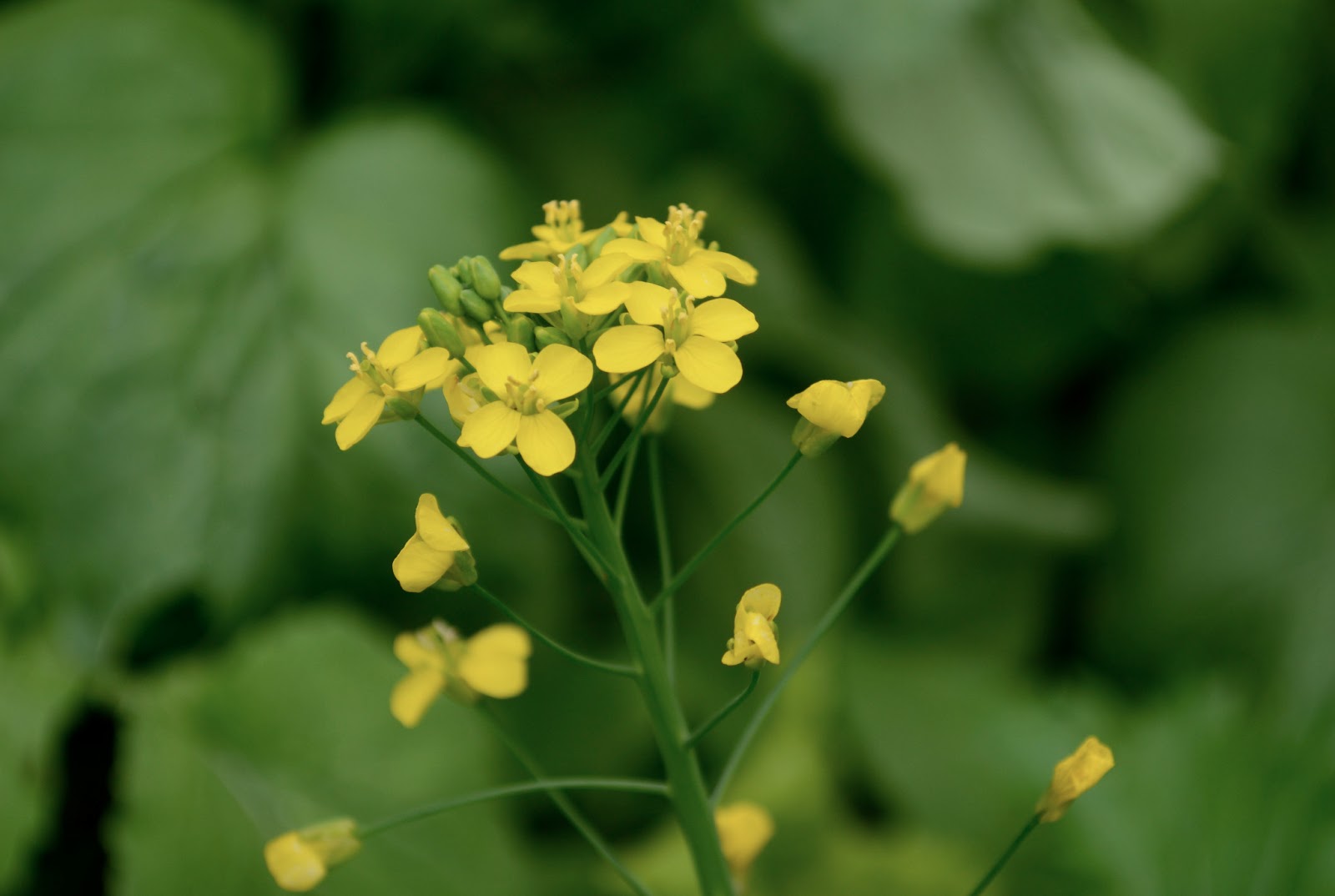
We still have more to do, and our best flowers haven't even started blooming yet but there is lettuce, chard, the peas are starting to produce, and the leeks are starting to flower which is a pretty sight.  

Enjoy your virtual trip through the garden...

Oak leaf red lettuce in a community garden
Oak leaf red lettuce

Community garden in Hyde Park neighborhood of St. Louis City
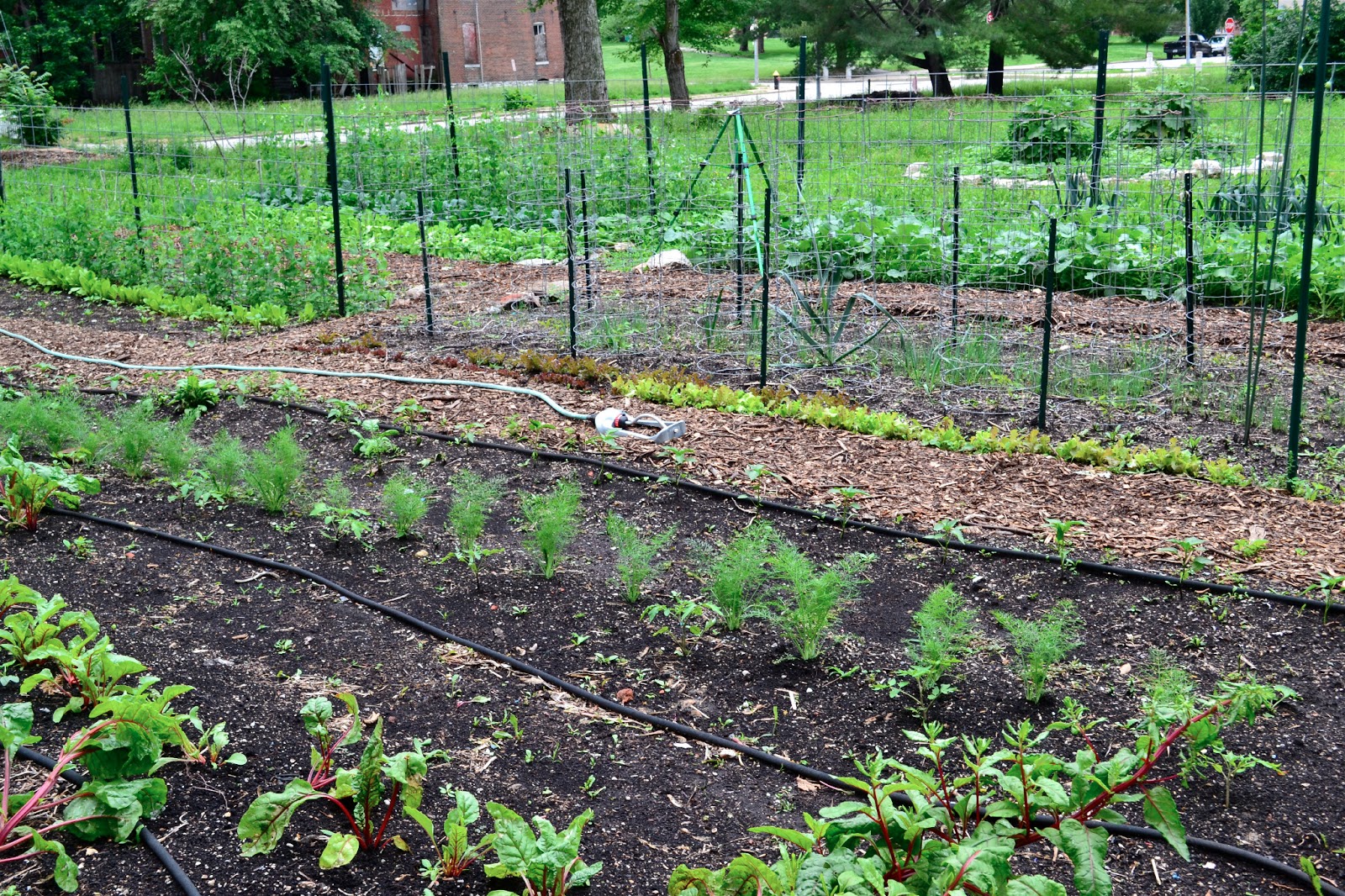
Red stem chard, fennel, and a view of our more established plot

Witerbi Mangold chard getting ready to flower
Witerbi Mangold chard

North St. Louis City community garden
A view from the front

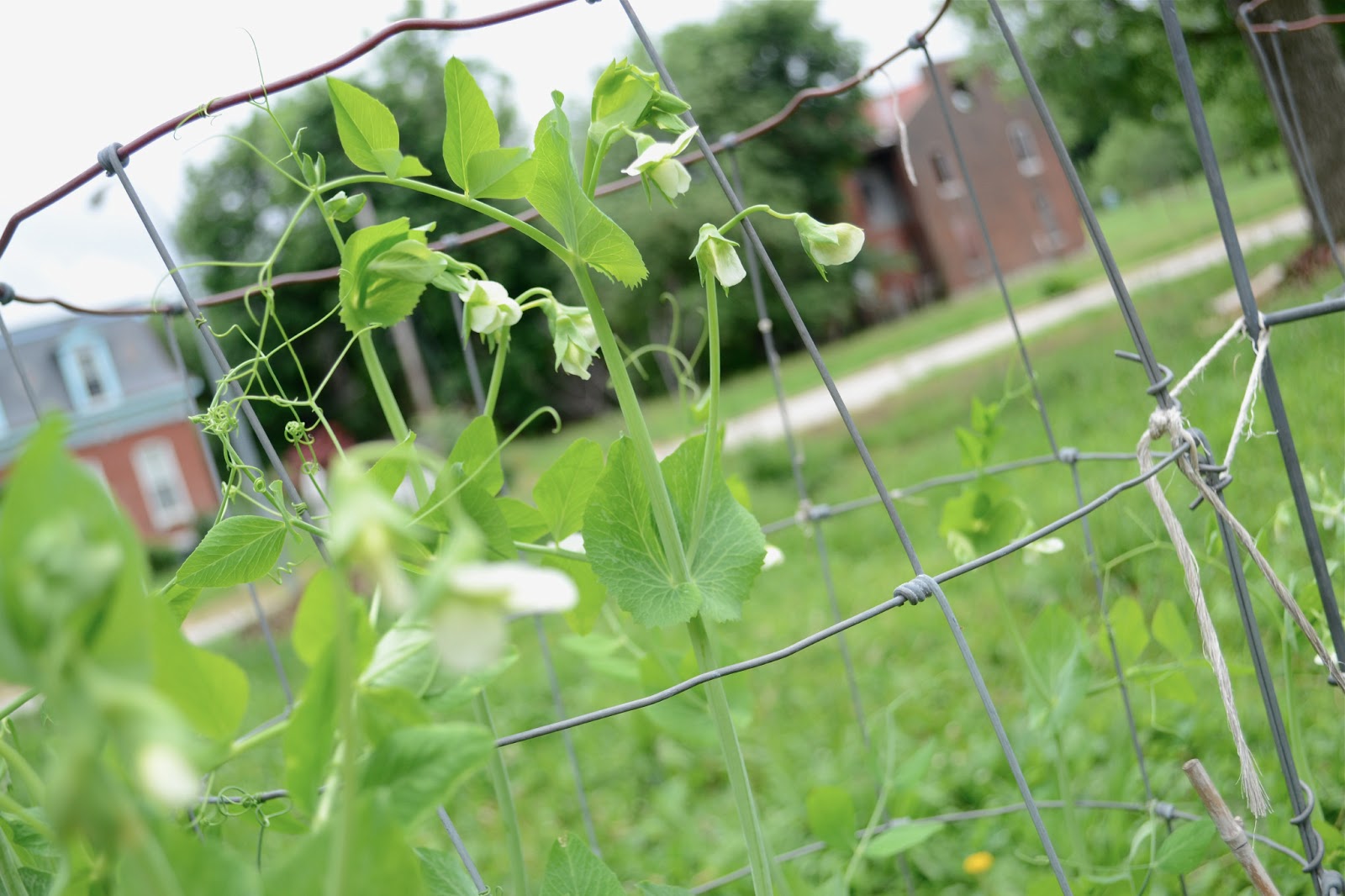
Sugar Snap Peas flowering
Snap peas blooming

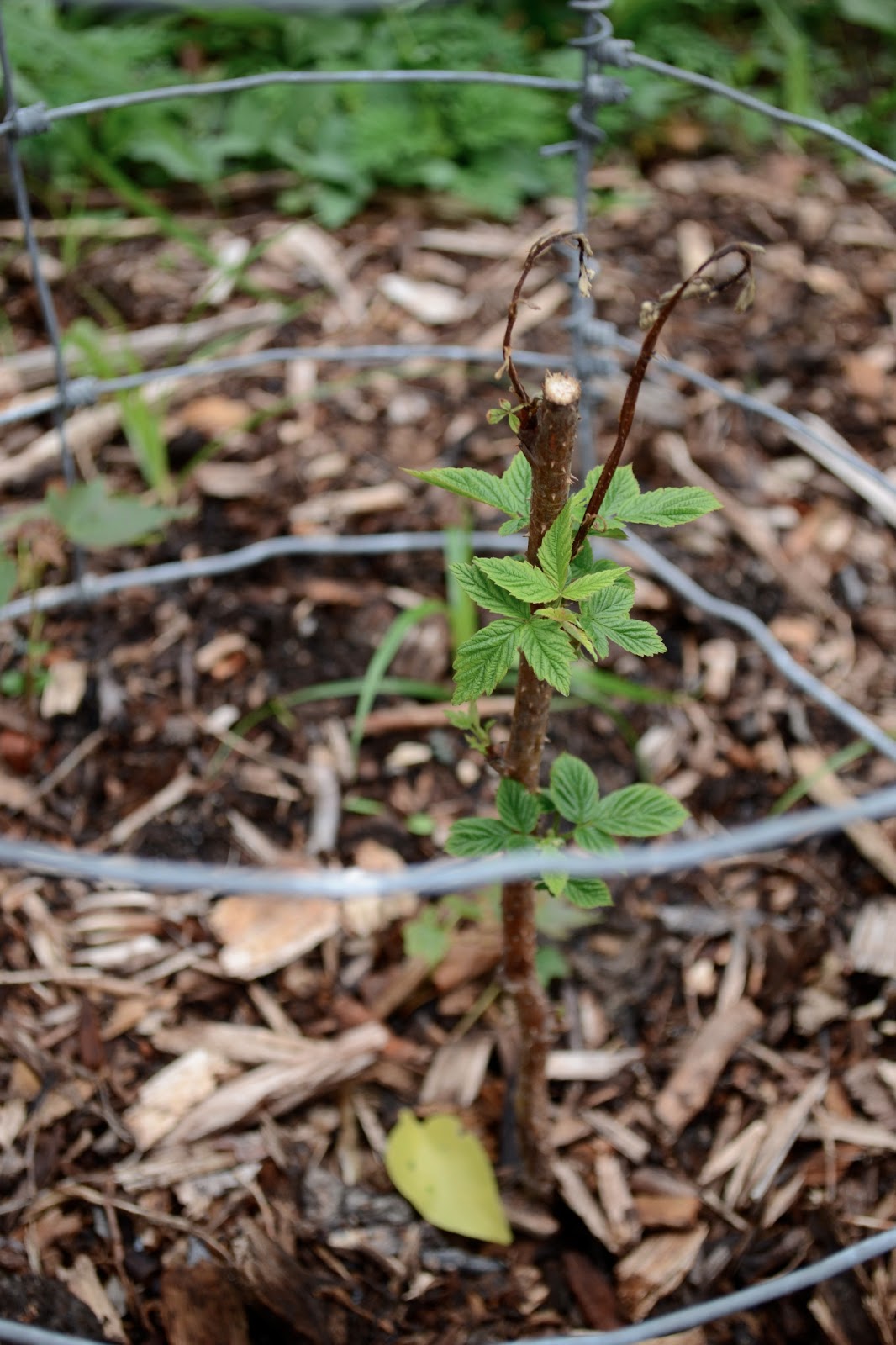
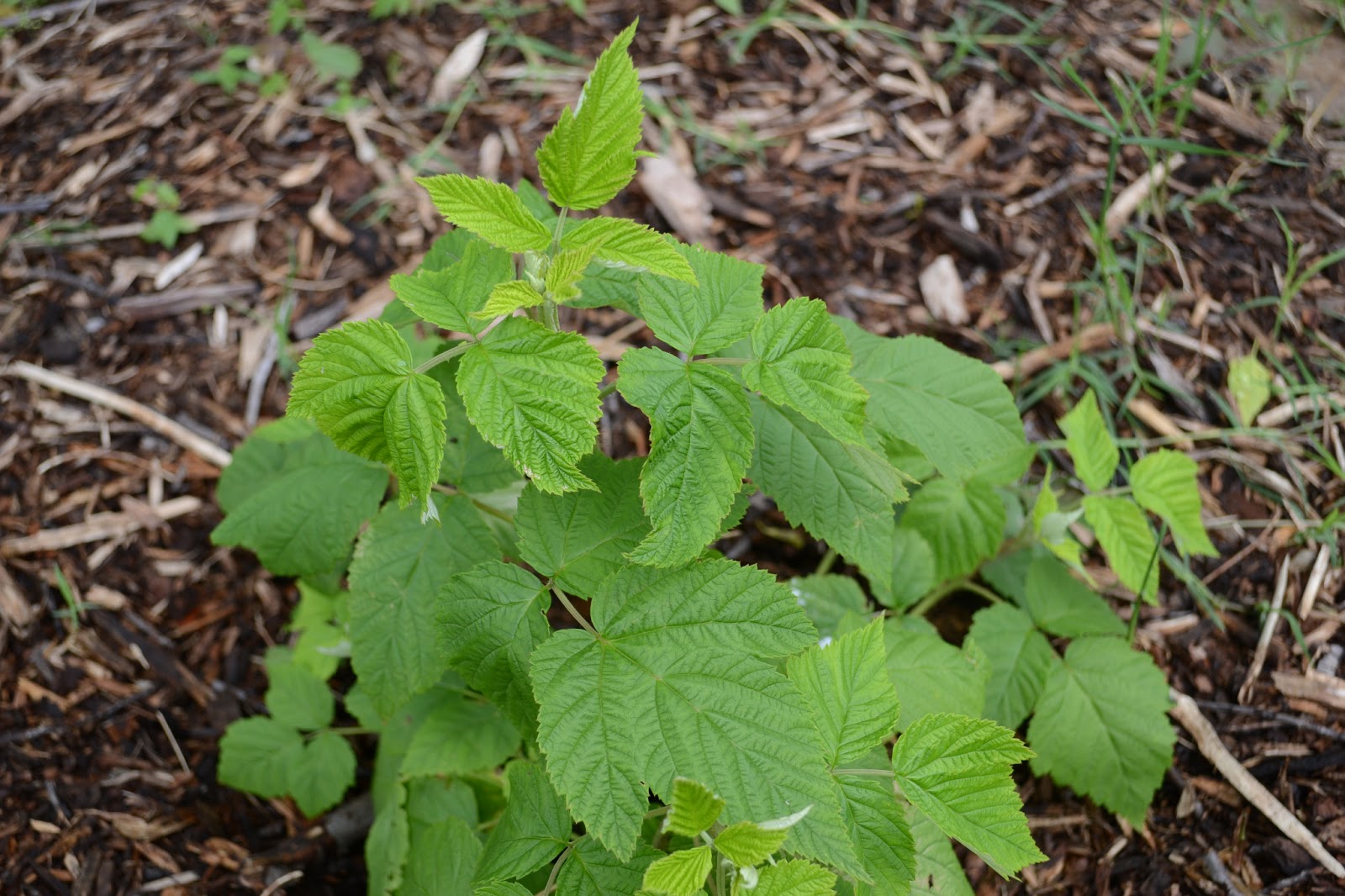
Baby raspberry bush just starting to grow
A baby raspberry bush

Raspberry bush getting bigger
Slightly bigger raspberry bush

Giant leek flowering
Leek just starting to flower

Leeks getting ready to flower
Leek flower buds

Ladybug on a radish blossom

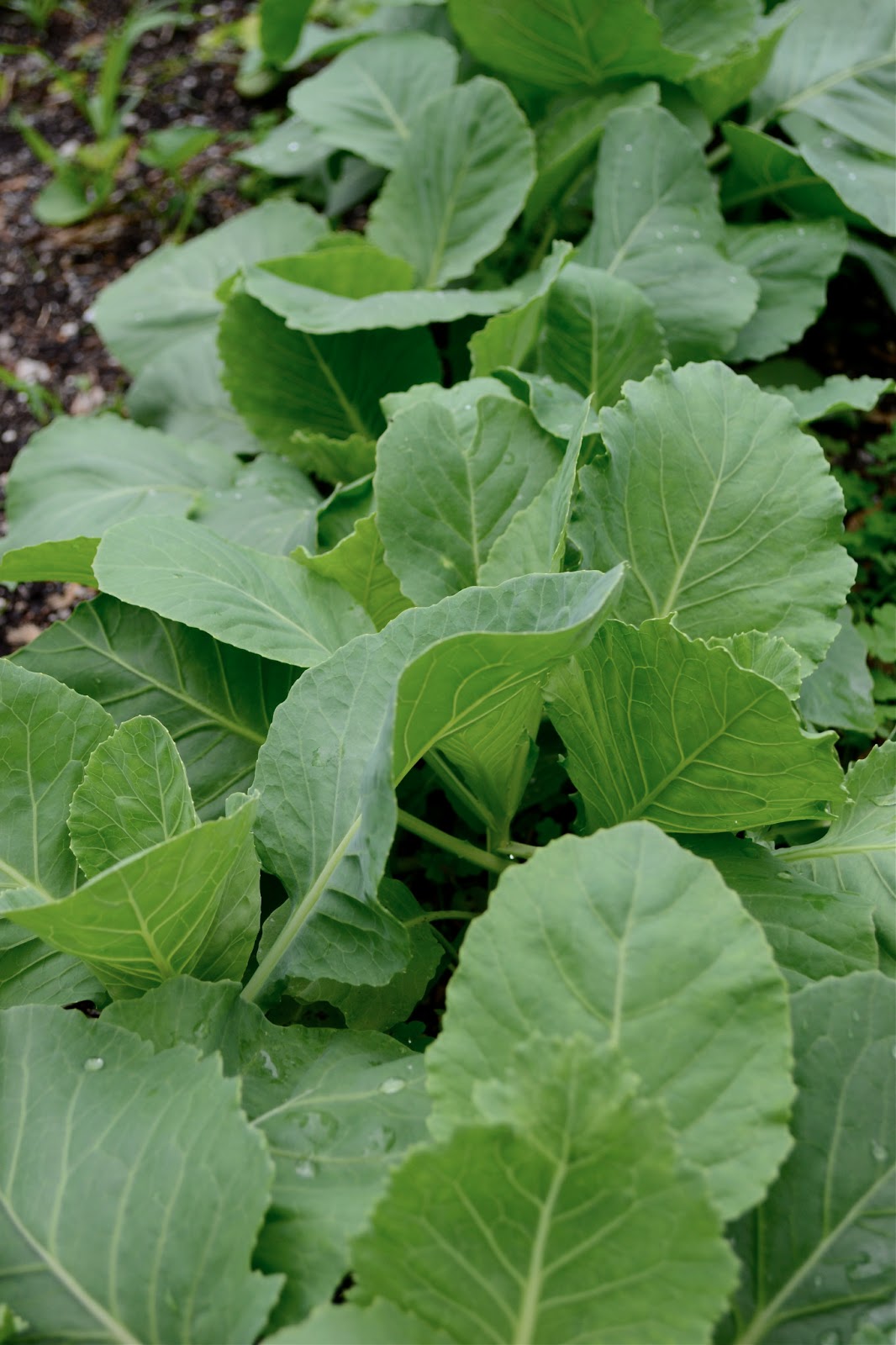
Early Jersey green cabbage growing
Early Jersey green cabbage
All garden photos in this post taken by and copyrighted by Julie Longyear, 2013.


Wednesday, May 22, 2013 in , , , , , , , , ,

Does this cupcake make me look old? How sugar is aging your skin.

How sugar is aging your skin

Consult the Herbal Chemist - Sugar and your skin
If you're a person "d'un certain âge" or even someone slightly younger it's time to face up to the truth about sugar.  Put down the cookie and your caramel flavored coffee and lend me your ears, cause it's time for a smackdown.

Most of us are well familiar with the fact that refined sugars especially are empty calories. Unless you've had your head inserted in a box of Captain Crunch ostrich-style for the last decade or so it's no secret - sugar offers only a quick caloric spike, a dive into abysmal blood sugar depths after the high, and no trace nutrients whatsoever.  It's a dietary distraction at best.  Sugar is like that bad boy from high school with the motorcycle, the sexy smile and dangerously good looks that gives you one hell of a ride physically and emotionally and then drops you cold, craving more, and definitely worse for the wear.  The alarm bells go off but we don't listen - we're suckers for the rush and we just want more.  How could something so much fun be so bad??  But oh, it is.

Sugar is like legal crack to your body.  It's fuel but it's addictive.  It changes your brain chemistry so memory functions are impaired and you're more prone to depression and dementia.   Sugar is also linked to the release of opioid, euphoric chemicals in the brain which causes you to go back for more like the little red rubber ball attached to a paddle.  You're after that next hit, after which you just bounce back for more.  High consumption of sugar in all its forms (glucose, fructose, sucrose, processed grains, etc) prompts you to retain weight, can spur the onset of diabetes, and prevent you from consuming quality foods that actually have benefits for your body.

But that's not all.  Sugar is also a culprit in aggravating acne, and recently has been implicated in the onset of wrinkles and age related damage.  Your skin can quite literally be a billboard for every Cinnabon and eclair you've ever eaten. 

Your age shows by virtue of AGEs - Advanced Glycation End Products.  These are chemical compounds created by the presence of excess sugar in your body that react with, harden, and thereby degrade your collagen and vascular structures.  Glucose in your bloodstream attaches itself to a lipid or protein in your tissues to form them.  Skin's youthful appearance is supported by collagen, a prime target of AGEs.  Nutrient delivery to the dermis comes via tiny capillaries which can become hardened and restricted through glycation.  The AGE buildup process becomes exacerbated after age 35 and continues to worsen with advancing years.  Unless you don't give a hoot (and chances are you give at least a little one) then as you reach your third decade of life you should be fighting to preserve your skin structure like an ecologist preventing a piece of native prairie from being bulldozed.

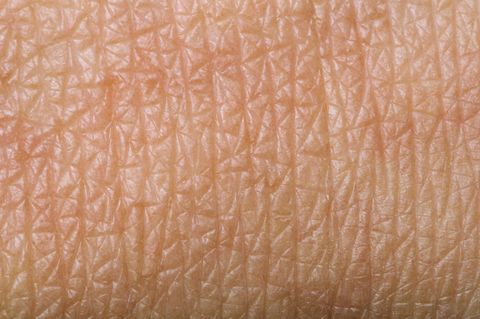
skin wrinkles from eating too much sugar

AGEs are formed in large part by consumption of simple, processed carbohydrates, though they may also accumulate by a few other routes such as oxidative stress, sun exposure, and even consumption of foods that are fried, grilled, roasted or baked. (per the European Journal of Clinical Nutrition January 2013)

The good news is that this means those fine lines, the sagging, and loss of firmness are to a degree within your control.  While our bodies need some sugars as part of our diet for at least a portion of our fuel avoiding excess and refined sugars can make a marked impact on your efforts to retain your youthful visage and healthy resiliency inside as well.

Restorative Recommendation: Cut your consumption of foods containing excess sugar and high levels of refined carbohydrates.

This can be a really tough proposition for a lot of folks, especially in the USA where sugar is added to practically everything and whole foods are uncommon.  It sneaks its way into you by way of sauces, dressings, processed juices, sodas, most mass market yogurts which are little better than sugared dairy with fake fruity colors, your daily latte (even if you take it without a sweetener, because dairy has a lot of lactose, which is a sugar), and even low fat foods which are pumped up with sugar to replace fat content.

Here's the basics. Sugar is digested and released into your blood stream shortly after it is consumed. The simpler the carbohydrate molecules the faster the release. If you eat a whole bunch at once then what you get is a big blood sugar spike. If you're active at that moment and the sugar is needed as cellular energy it gets burned off. If not then the pancreas has to emit insulin to control the spike and bring levels back to normal, as well as convert the unused glucose to glycogen for storage in the liver and muscles for future energy usage. If you are constantly overworking this cycle insulin is constantly deluging your bloodstream, and excess insulin can cause inflammation.

So you're inflamed, and there's free glucose running about in your blood.  That glucose then reacts with your lipid and protein structures, resulting in glycation.  Those little lines on your forehead you love to fret over are actually all those cookies coming back to haunt you...

No skincare product can eradicate the results of these internal processes.  Your food is powerful and literally changes the structure of your body.  If you think you can get away with a super dose of anti-aging serum and eat your cake too, unfortunately the truth is damage is still piling up.  And, double whammy, a recent study has even shown that sugar consumption increases free radicals in your blood stream and lowers your levels of alpha-tocopherol, the active form of Vitamin E and an excellent antioxidant.  This leaves all your organs more vulnerable, and your skin more prone to sun damage.

Healthy eating is one of the most affordable ways to have fantastic skin. Anti-aging specialty skincare may cost $50 to $200 per product.  With expenses like that buying and eating your organic produce starts to look quite cost-effective and prudent.  

The best results of course would come from both clean eating and excellent, nutritive skincare. If you're binging on processed foods and heavy sugar you are effectively throwing your skincare dollars down the drain.  Not many of us have money to be tossing, and besides the other side effects of too much sugar are dire - increased diabetes risk and all its complications, hardening of the arteries, strokes, arthritis, and other ailments.

It is impossible for you to avoid ALL sugar.  Fruits and vegetables digest as sugar in the body and the beneficial micronutrients that come from plants are valuable, and your body has to run on something.  The goal should be to eat foods that digest and release sugars more slowly into the body.  Fruits, vegetables, and whole grains also come with a lot of fiber that slows digestion and therefore slows the release of sugar into your bloodstream.

How to avoid buildup of Advanced Glycation End Products in your body from food

1. Eat as many raw foods as possible. 
The raw food camp really has something going for it in avoiding buildup of AGEs.  The European Journal of Clinical Nutrition notes, "Browning of food during cooking is used to enhance the quality, flavour, color and aroma of the diet. This process (known as the Maillard reaction) generates large quantities of AGEs."  
Fresh raw foods have none of these complications, and contain higher quantities of beneficial nutrients as well.  Veggies and unroasted nuts are fiber filled and supply antioxidants, omega fatty acids, and lots more good stuff.  Fruits are good too, but be mindful of how much sugar they are adding.  They're the best kind of sugar to have - at least it is bringing lots of vitamins with it - but to avoid AGEs you still need to balance them with consumption of less sugary foods.  Raw or sprouted "breads" and cracker recipes are available on many raw blogs to help you use just whole, raw grains more often. 
One of the awesome things about raw foods is that just by virtue of the fact that they are pure, whole, and unchanged you can be sure easy-peasy that they don't contain added sugar.  That's one load off your mind and makes your eating simpler.  Processed or packaged foods must be examined closely.  Dried fruits often contain added sugar, making what otherwise seems like a natural, healthy choice into something you should limit.
Meat might seem like a fine way to avoid sugar - a la Atkins - but the problem becomes that most meat is cooked, and as I'll cover below the way a food is cooked determines its content of AGEs as well.

2. Cook foods only by boiling, steaming, poaching, boiling or slow cooking.  Avoid dry heat cooking methods like baking, grilling, roasting, barbecuing, and frying which exposes fats to oxidation and rancidity in addition to AGEs.
Wet heat cooking methods were found to have the lowest AGE formation.  Grilling and barbecuing have already been found to create carcinogenic substances in meats especially - that blackened crispiness is packed with Heterocyclic Amines or HCAs, which are cell mutagens
Other roasted foods are also suspect, even ones you might not immediately think of.  Coffee, for example, is roasted to give the beans their lovely dark flavor which means coffee could increase AGEs in your body.  Roasting is very common for nuts to give them flavor.  Even roasted veggies (which taste delicious due to the caramelization) are suspect.  During the roasting of red peppers the skin blackens in the oven, part of how you know it is done.  That blackening and caramelization has AGE written all over it.  It's enough to make a girl cry over her pan of peppers...
Since baking is a problem any baked bread is a potential AGE source also.  Not only are refined flours spiking your blood sugar, the baking process itself is adding AGEs.  Limit your bread and baked goods consumption.

3. If you eat grains choose only whole grains. 
Processed grains are a major source of refined sugars.  This includes pastas, white rice, any white breads, and flours.  Your body desperately needs the fiber included with whole grains to slow the digestion of carbohydrates.  Most mass produced baked goods are major offenders.  Purchase artisan, whole grain fresh breads if you desire bread, or consider skipping bread altogether.  
Oats make a lovely raw muesli with a little almond milk, nuts, and dried fruit in the mornings.  Boiled whole grain blends can be seasoned sweet or savory and don't contain the AGEs created by baking. 

4. Make your own sauces and dressings whenever possible.
Sauces and dressings are huge sources of hidden sugar.  Look at any barbecue sauce, ketchup, and even many salad dressings from a conventional store and you'll see high fructose corn syrup marching right at the front of the ingredients panel.  
Even organic and "natural" sauces are often sweetened just with less offensive, less processed sweeteners.  You can add flavor to your foods by using vinegars of all types, citrus juices, unique culinary oils like hemp seed, walnut, and quality olive oils, chiles (one of my favorite flavors), garlic, onion, and herbs.  If you want a little sweetness you an add it yourself and control just how much goes in.

5. Eliminate all sugared beverages.
Beverages are one of the biggest sources of excess sugar, especially for Americans hooked on sodas and processed juices.  A single soda or juice beverage can have between 150 sugared calories - about 40 grams.  The American Heart Association recommends a sugar limit that "for most American women is no more than 100 calories per day and for most American men is no more than 150 calories per day from added sugars."  That is 25 grams of sugar for women and 37.5 grams for men.  Just one soda puts you over your healthy limit.  
Then add in all the hidden sources of sugar in your day and you can easily see we blow our limit by a lot.  Save what little sugar you do eat for your food consumption and it will be much easier to control. 
Instead drink water, carbonated water, fruit infused waters, unsweetened herbal, green, red, and black teas, and vegetable juices.  Stevia can be a way to add a touch of sweetness without calories.  
Just don't think you're doing yourself a favor by reaching for anything with aspartame or other artificial sweeteners.  You're better off learning to appreciate the flavor of unsweetened beverages, since these franken-sweets can damage your liver, alter your brain chemistry, and may actually encourage you to crave sugar in the long run.  Kimberly Snyder, nutritionist and author, lists more dangers of diet soda.

6. If you must sweeten study your options and choose less processed sweeteners.
This lovely article on Inspiration Green details dozens of different names of sugar and sweetener additives. The author edits the list of options down to a number of cleaner options to use in moderation including:

Unrefined Coconut Palm
Muscovado
Jaggery
Demerara
Stevia
Organic corn (or glucose) syrup (not high fructose!)
Raw honey
Maple Syrup
Brown Rice Syrup
Barley Malt Syrup
Black Strap Molasses


Drastically decreasing sugar in your diet is not always easy work to do.  For many people these changes require a holistic lifestyle overhaul.  Once you start trying to avoid it you realize just how much of it you may have been eating.

The bonus is that the benefits of these changes extend far, far beyond your skin.  The entire quality of your life and health will be improved, acne generally decreases, weight and body fat come into balance, and energy levels stabilize.  The return to a whole food lifestyle can be inspiring in many ways as you explore flavor combinations and foods you may not have previously tried.  In fact many people experience a renaissance in their excitement for food when switching to clean, plant-based, minimally processed foods.  There are many raw, plant food, and vegan blogs that can offer you creative cooking ideas.

For further articles detailing information on glycation and sugar-induced aging check out some of the following links.

Prevention: Too much sugar can cause wrinkles

Glycation enhanced in post 35 and photo-aged skin.

Care2 Sugar and Inflammation

Study shows Glucose Consumption Increases Production of Destructive Free Radicals, Lowers Levels of Key Antioxidant 

Elle.com Sugar and Aging: How to Fight Glycation 

Nutrition and aging skin: sugar and glycation

European Journal of Clinical Nutrition: Dietary advanced glycation end product restrictions

Dietary Advanced Glycation End Products and Aging


Tuesday, April 23, 2013 in , , , , , , , ,

Adventures in Raw, Vegan, and Grain-free Food - Raw "Doughnut" Dessert Balls and "Cheezy" Kale Crackers

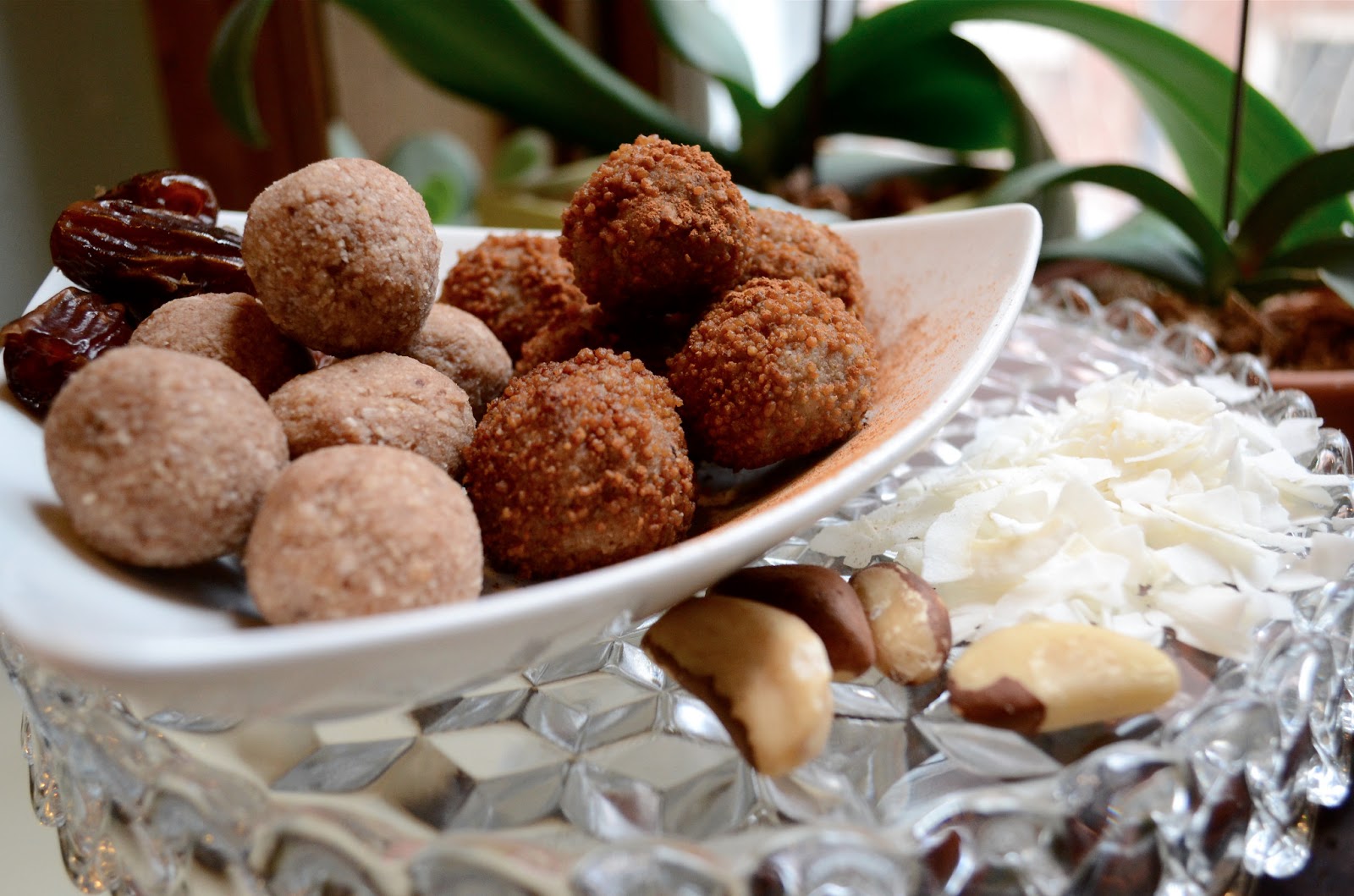
raw vegan doughnut hole dessert balls - healthy sweet treats

I often take my mad scientist leanings into the culinary arena.  It's where I started a journey towards mixology in my childhood with experiments in scratch-made Saturday breakfasts and a predisposition for anything messy.

Several years ago when my family was on a squeaky tight budget cooking came even more to the forefront of my daily life.  Boxed and frozen food "starters" can be surprisingly expensive to purchase and need dictated that I resort to buying the basics in bulk.  This was the genesis of my giant jars of rice, beans, a cabinet full of spices and many hours in the kitchen.  Freshly laden with a mortgage and with a recession on strong there was no money for nights out on the town - no movies, no drinks, and no restaurantsI might have felt trapped but instead to keep myself occupied and spirits up I spent my Saturdays and Sundays cooking enough food to keep the family steady for the busy week to come.  

Cooking during this time felt empowering.  It was something I connected to not only creatively but also gave me a small corner of the world where I had a reasonable chance of success.  The wide world might be chaotic and bills might be suffocating me but the assurance of a tasty batch of baked beans had me glued to my oven, watching as they simmered for hours.


Julie and Julia movie making chocolate pie
photo courtesy Julie and Julia
I think of the movie Julie and Julia where it is said, "I love that after a day when nothing is sure, and when I say 'nothing' I mean nothing, you can come home and absolutely know that if you add egg yolks to chocolate and sugar and milk, it will get thick.  It's such a comfort."


This comes back to me often as I'm hovering over my stove watching a recipe come together.  Food for me is always an interesting mix of daring and repetitive.  Once you have some basics down you can generally venture forth and start throwing things together with some reasonable assurance it will come out all right.  It has the alluring quality of living on the edge with all the safety of knowing that the worst that may happen is something will get dumped down the drain, a minor consequence in a world filled with far scarier ends.  Bravery can be practiced as you fiddle with flavor and confidence gained.

The most exciting thing about alternative dietary practices like raw, vegan, and grain-free diets is the fact that they completely blow the hinges off the structure that is conventional American cooking.  Think you really knew something?  Get ready to be a beginner again.  The ingredients and combinations are completely different.  This isn't just adding lemon flavor to a cake and feeling novel, it's reinventing the very flour from which the cake is made, the entire structure, and whether you bake it at all.  While to some this might seem daunting to me it is the very thing that makes it fun.  I love "first times" and the improvisational feel.  The thrill of not knowing what will happen is the very reason to show up.  I do this dance with the known and the unknown in cooking all the time, choosing each day whether I want a foray into foreign territory or another rendezvous with an old friend.

While I don't have a stringent need to eat dairy or grain free it is enjoyable to practice these guidelines on occasion to experiment with flavor and test boundaries.  Rather than feeling like restrictions it instead resonates as just a separate palette.  We've actually been missing a lot by sticking to our grain and dairy staples and I enjoy forcing myself to see what works in this new realm.

For a sales event lately I made some raw, vegan, and grain free snacks as hospitality.  People raved about them.  When I served them again at my daughter's birthday party a week later the response was the same.  They are different, but they are tasty!  With the right recipes and flavors there is no sacrifice to eating nutrient rich foods.

"Doughnut" balls have been popping up on raw blogs for months and I had been meaning to try them.  The 2 types I made give an option with nuts and one without.  Grain free and raw recipes tend to be heavy on nuts but I didn't want to exclude those who had nut problems.

And if we can say anything about me it is that I am a cracker fanatic.  I figured if I could find a cracker that would satisfy my urge for savory crunch I'd be doing myself a favor.  Enter the "cheezy" kale grain-free crackers...

Two of the base recipes were found courtesy of Rawmazing, who lured me in with her beautiful photography, because a delightful picture of food is almost as good as eating - almost.  I tweaked both recipes, though, and so the versions I am posting here are revised.  You can visit her site to get the original versions and of course offer her some kudos on her amazing work.  I prefer my updated versions and my guests were also hooked, so I wanted to post the changes I made.

I ended up adding water to both of the "Doughnut" ball recipes I found.  Both were too dry and flaky without it.  The addition of water means you may wish to store them in the refrigerator, but made them so much more soft, tasty, and easy to eat and store.  Anyone who ate raw cookie dough as a child (or as an adult) will adore these dough balls.  They have all the allure of unbaked cookies and far less guilt.
 
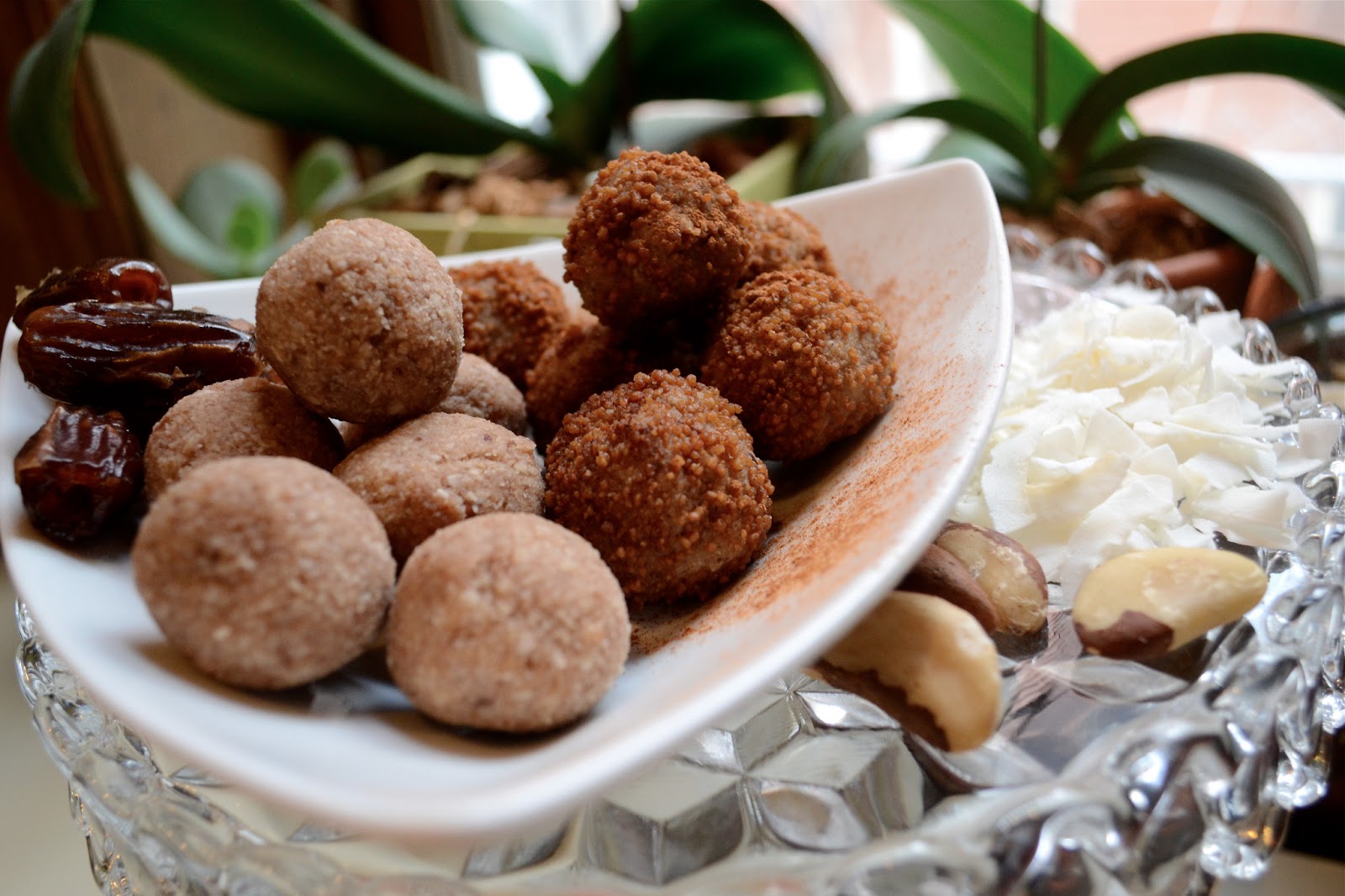
raw vegan dessert, healthy doughnut holes or sweet energy balls


Raw Vegan Vanilla "Doughnut" Balls

Ingredients:
30 Medjool Dates
2 Cups of real Dried Coconut Flakes (unsweetened, natural coconut)
2 tsp Vanilla Extract
1 pinch fine Sea Salt
2 Tbsp Grade B Maple Syrup
2 Tbsp water + more as needed

Instructions: 
Put all ingredients but water into a food processor and let the machine run until the mixture is crumbly.  Add water and run until it looks like cookie dough.  This may take a while for the coconut to break down into small enough pieces, so run and scrape the sides as needed and then run some more.  Add a bit more water if the "dough" is not sticking together well enough.
Spoon up approximately a Tablespoon of "dough" at a time and roll into a ball.  Serve and eat them room temperature or chilled as you like.  Store in the refrigerator.


raw vegan brazil nut doughnut holes with cinnamon and sucanat, healthy dessert or snack


Raw Nutty "Doughnut" Holes 

(modified from the Raw Doughnut Holes recipe on Rawmazing)

Ingredients:
2 Cups Brazil Nuts
1 1/2 Cups Oat Flour or Raw Flaked Oats
1/3 Cup Coconut Oil
1/3 Cup Grade B Maple Syrup
1 tsp Cinnamon
1/4 cup water, added slowly

Topping: 
1/3 cup Sucanat
1 1/2 tsp Cinnamon

Instructions:
Place Brazil nuts and oats in the food processor.  Run the food processor until the Brazil nuts are finely chopped and the oats are finely powdered.  Add the oil, syrup, cinnamon, and water and blend thoroughly until the mixture resembles cookie dough. 
Spoon up approximately a Tablespoon of "dough" at a time and roll into a ball. 
Combine the topping ingredients and roll each ball in the sucanat/cinnamon blend.
Serve and eat them room temperature or chilled as you like.  Store in the refrigerator.

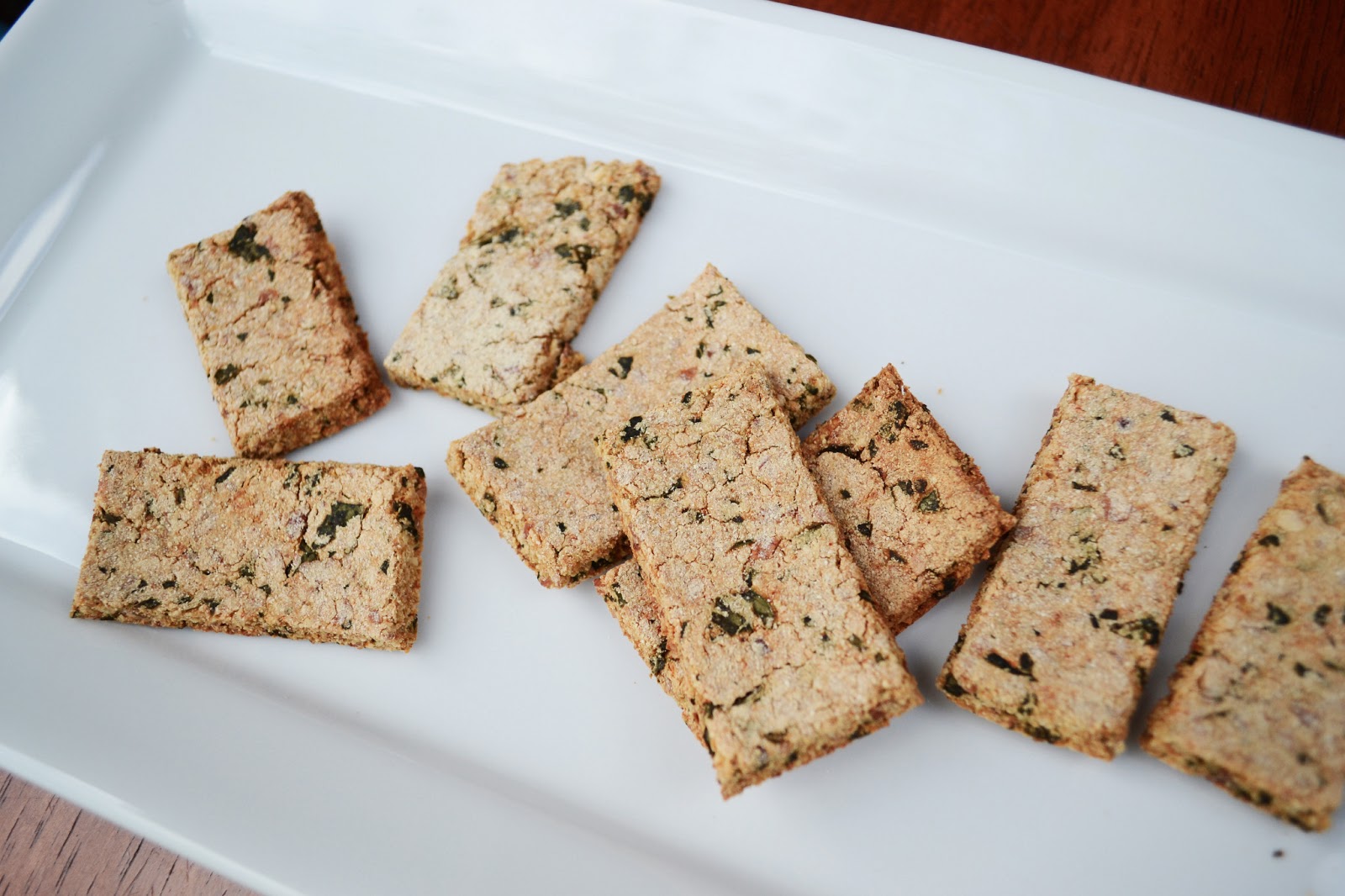
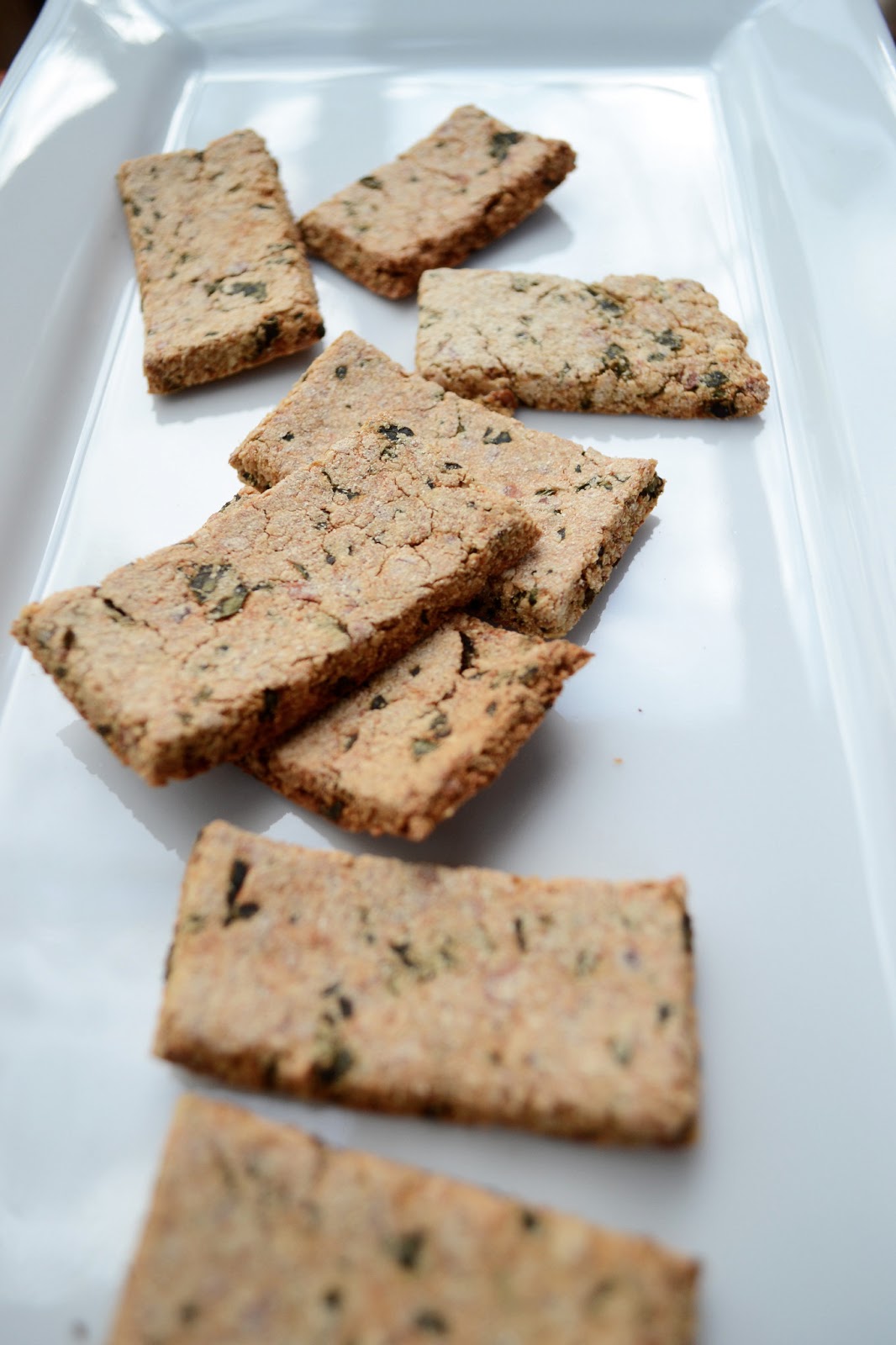
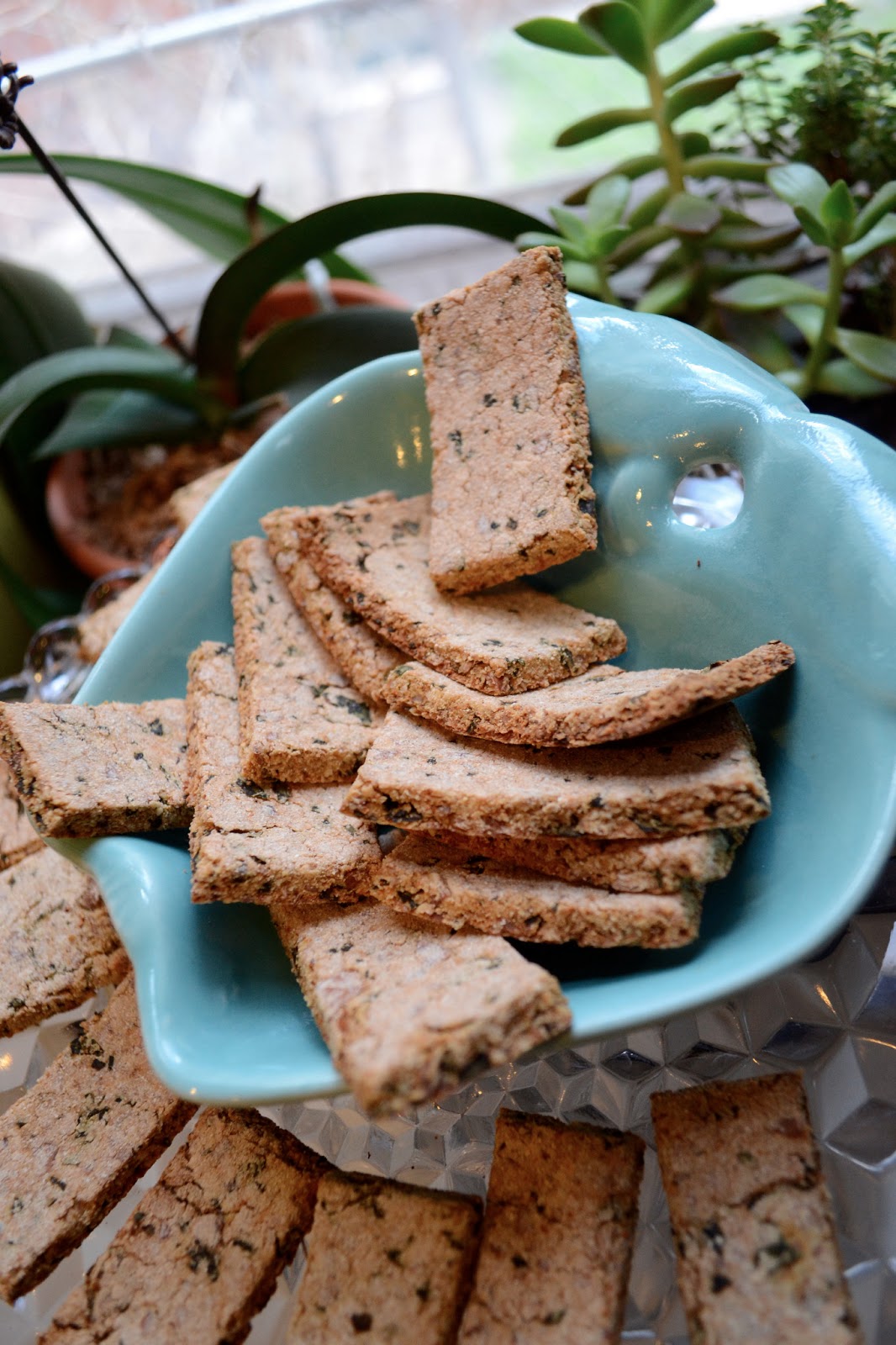
vegan cheezy kale crackers for healthy snacks, grain and gluten free

"Cheezy" Kale Almond Crackers 

(modified from the Cheezy Kale Almond Crackers recipe on Rawmazing)

I adjusted the amount of water, spices, added garlic and created my own baking strategy.  These can be dehydrated in order to be completely raw but I had only an oven and a more limited amount of time (and a LOT of crackers to produce).

Ingredients:
1 cup ground Flax
1 1/2 cups water
2 cups Almonds, soaked overnight, drained and rinsed
1 bunch Kale (I used Lacinato/Dinosaur Kale and really only put in about 3/4 of a bunch)
1 cup Coconut Flour
3/4 cup Nutritional Yeast
2 tsp Chipotle
2 tsp Paprika
1 tsp garlic powder
Salt to taste

Instructions:
Mix together ground flax and water.  Set aside.
Place soaked almonds in food processor and run until finely chopped.  Remove to a large bowl.
Wash and de-stem kale and place leaves in the food processor.  Pulse until finely chopped.
Add nutritional yeast, coconut flour, paprika, chipotle, and garlic powder to the chopped almonds.  Mix well.  Stir in kale.
Add flax and water mixture.  Mix with a sturdy spoon or with your hands until thoroughly combined.  Add salt and taste test to determine the level you desire.
Preheat the oven to 225 F.
Lay out a sheet of aluminum foil the same size as a baking pan.  Scoop out a ball of dough and press to shape into a thick rectangle.  Dust with coconut flour.  Roll the dough out to approximately 1/4 inch thick and rectangular on the foil, pressing the dough together to make it stick to itself.
Use a pizza wheel to cut crackers in the size you desire, slicing off the loose, crumbly edges if you like.  Slice lightly through the dough as to not cut the foil beneath.
Pick up the entire foil and transfer to a baking sheet without disturbing the crackers.  
Bake at 225 F for 2+ hours until fully crispy and no softness remains.  Check periodically to gauge progress.
Remove from the oven and cool on the baking sheet.  Once cool peel the crackers off the foil and put in a tin to store.

vegan cheezy kale crackers for healthy snacks, grain and gluten free

vegan cheezy kale crackers for healthy snacks, grain and gluten free, healthy crackers, grain free cracker


What a fantastic way to get your flax and kale in!  These crackers are great with hummus and other dips or stand alone perfectly well.  My sincere compliments to Rawmazing's Susan Powers for a lovely recipe concept.  I'm going to be continuing to follow her blog for more food adventures and gorgeous photos.

These three recipes are friendly to your skin as well, providing a boost of nutrients, minerals, healthy fats and only a moderate amount of sugar in the "doughnut" holes.  Snacks and desserts can be good for you and your looks if you step outside the plethora of processed options at the store.

Here's to your health!  Hopefully you'll have some fun in the kitchen and give these recipes a try.


Friday, April 5, 2013 in , , , , , , ,

The Best Natural Anti-Aging Active Ingredients in Skincare Today - downloadable booklet

If you want to know the best natural active ingredients that will heal, support, regenerate, and make your skin glow every day you need my comprehensive new skincare education booklet.

Natural Anti-Aging Skincare Ingredients You Should Know for beautiful skin at any age - natural skincare booklet
The Natural Anti-Aging Ingredients You Should Know booklet has been compiled over my 10 years of experience with science-backed botanicals.  It's all about the solid, people-friendly, safe and effective natural skincare ingredients you should know.  Want to be a more educated and empowered shopper?  You're covered.  Want to have glowing skin that makes you the most naturally beautiful you can be no matter what age you are?  This is the place to go.

Skincare is often surrounded by so much marketing hype it can leave you reeling with confusion.  Every few months it's this new ingredient, that new ingredient, all promising to be the fountain of youth and THE thing you've been looking for.  Skip all the hocus pocus and head straight for the nutrients and bioavailable plant compounds our bodies know how to use.  All you really need is proven natural ingredients and a few tips on which lines are using these ingredients in ways that work with that research.  When you provide the right building blocks and healing compounds your body glows.  It's as simple as that.


The Natural Anti-Aging Ingredients You Should Know booklet is available for just $10 and contains a page of no-hype information on each of 19 of the best ingredients you should be seeking in your products.  The booklet also has curated product selections pertaining to each ingredient so you can head out and confidently change your skincare routine without it being a big hassle.  Each product included is using the active ingredient in effective ways and is made with a truly natural and safe recipe from a respected company.  Blissoma and 25 other product lines are included as suggestions, meaning there's plenty of choices no matter what your skin type, price point, or preference. 

Your $10 goes even further though, as with your purchase you'll receive a $10 coupon towards your first Blissoma purchase.  That way you can make a change to your skincare routine right away armed with your new knowledge.

Don't spend another dollar on skincare without this key knowledge.  It may save you a lot of money on wasted, ineffective products and a lot of lost time - and we all know how precious time is.

Head over and get your copy.  Start getting more effective results out of your skincare today.  Your next product purchase could be doing so much more for you.  

As always I'm wishing you health, healing, and beauty.


Tuesday, March 12, 2013 in , , , , , , , , , , , , , , ,

Cooking with Essential Oils - A Complete Guide to the "Essence of Flavor"

Photo by Jonathan Gayman
Most people have never cooked with essential oils either due to lack of familiarity, lack of access, or the common repetition by many aromatherapy sources that say not to ingest them.  One secret of the food industry is that essential oils are used ubiquitously in packaged foods as a source of extra flavor.  Anyone consuming canned, frozen, or even boxed foods is almost assuredly already eating essential oils and a large list of essential oils is approved by the FDA for consumption as safe.  While they are potent, and best used with care my personal feeling is that people are missing out on an amazing sensory experience skipping these ingredients in their cooking.  

To help you venture into the world of essential oils for your home cooked meals I put together a complete guide to cooking with essential oils with the help of Feast Magazine St. Louis.  Armed with a little knowledge you can begin to have all kinds of exotic flights of flavor fancy.  The story below includes links to 6 recipes I created from scratch for the article to help you make 4 complete courses all devised for maximum aromatic impact.  Enjoy, and please let me know if you try them!

From Feast Magazine St. Louis, February 2013 
Essential oils are most commonly associated with candles, fragrances and beauty products. However, the volatile oils produced by plants, their roots and their fruits are the building blocks upon which we create flavor in cooking. We grind herbs in a mortar and pestle when making vinaigrettes to extract the rich oils. We zest lemons and limes for the concentrated flavor found in the oils of their skins. So why don’t most people cook with bottled essential oils? Many oils available on the market aren’t intended for consumption. But seek out those essences made for cooking and you’ll open your kitchen to a whole new world of flavor.

Cooking with essential oils is simply another way to season dishes, much like using spices and herbs. But they bring with them a number of benefits. Most notably, the concentration of flavor. Oftentimes just one drop of essential oil is enough to infuse an entire dish with flavor. No picking, peeling, chopping, grinding or grating necessary. The distiller has already done all the work for you by presenting the volatile oils in their straight form. And unlike with dried herbs or ground spices, shelf stability isn’t a concern. Essential oils are not vulnerable to bacteria and don’t go rancid like vegetable oils might. Some oils can change a bit over time or oxidize, but in general, essential oils keep for years.

If the oils are purchased from a reliable source, quality and freshness of flavor are unmatched. Essential oil suppliers grow specific varieties of plants and use the best growing conditions to maximize the aromas in the plants they harvest. The plants are sent straight to distillation to capture their true profile, and distillers are careful not to compromise the quality of their oils with heat or other factors. In addition, one can access varieties of plants and unusual flavors that are simply not available in other forms. Neroli, for example, is the bitter orange flower. It’s very famous in perfumery and is only available as an oil. Bitter orange flowers are not sold for use, and even if they were, the aroma is so delicate and transient that by the time the blossoms reached you it would have deteriorated.

So how do you begin working with these intense and intriguing oils? Start by substituting them for the herbs and spices in your favorite recipes, keeping the following guidelines in mind.
Essential oils are oil-based and will dilute well in alcohol, vinegars, oils and fats. These elements need to be present in the recipe you’re using. Foods that are naturally rich in fat, such as dark or rich meats, fatted dairy products and coconut milk, work well. Starchy vegetables, beans, lentils and grains can also distribute the oils well enough if they’re also blended with a little cooking oil. Stews and chunky, thick soups are a good place to start, and dips, pestos and creamy sauces are the perfect testing ground for working with essential oils.

Essential oils are quite potent. If following a recipe, you can use the ratio of 1 Tbsp dried herb = 3 Tbsp fresh herb = 1 drop essential oil. If you need to use less than one drop in a recipe, dip a toothpick in the oil and swirl it into the dish. Essential oils can also be diluted with food-grade oils. Create 50 percent, 25 percent or 10 percent dilutions for use in smaller batches of food. If you’re experimenting on your own, start slowly by adding one drop at a time. Taste the dish and adjust the seasoning based on your preference.

Essential oils will “flash off.” With extended heat, so using them in cold applications is a wonderful way to get the maximum benefit. Using a small amount in olive oils and vinegars as a final dressing to foods works well. If using them in soups and sauces, add them at the last possible step, when heat exposure is minimal. Baked goods obviously will be exposed to heat, so some loss may occur. Consider increasing the amount of essential oils used in baked items to ensure the final product will still have lots of flavor.

Tips are included in the link to Feast's website including a list of good oils to start with and ones to avoid to help guide you through cooking with essential oils.   Visit their site to see my list of recommended and favorite oils.

And, check out a collection of recipes linked below that feature a variety of essential oils in a number of applications.  Each recipe was devised by myself through my 10+ years of experimenting with oils in my herbal studio and home kitchen.  Flavor is really my strength and while I may not have all the skills of a gourmet chef I can season a sauce and achieve something that will really please a palate.  Several recipes are vegan and numerous are gluten-free for my followers that pursue alternative food lifestyles.


Photo by Jonathan Gayman
Triple Celery Soup (Vegetarian and Gluten-Free)
This delectably creamy soup offers a full, savory taste built on a bevy of veggies. Celery root, celery stalks and potato make a satisfying base, while white wine and apple lend a pleasant sweetness in the mouth. Celery leaf extract, parsley and the unusual touch of star anise create an aromatic treat that will have you taking your bowl back for seconds.

Coriander and Pink Pepper Flatbread (Vegan and Gluten-Free)
These crunchy flatbreads don't disappoint. Whole spelt flour creates a healthy base for a subtle but insistent blend of coriander and pink pepper. Horseradish loses its bite in the baking process but provides a full, mellow undertone.

Whiskey, Fenugreek and Fig Balsalmic Chicken Wings
Take wings in a sophisticated direction with a smoky, spicy marinade and syrupy molasses and balsamic reduction. The whole dish will have you smacking your lips and licking your fingers for the last drops of the delicately flavored sauce. Jicama sticks soak up the sweet stuff and offer a clean, satisfying crunch between bites of fragrant meat.
 
Cumin, Apricot, and Grapefruit Braised Winter Vegetables (Vegan and Gluten-Free)
This tasty vegetable dish is thoroughly infused with the bright flavors of apricot and grapefruit, which contrast nicely with earthy cumin essence and saffron. It's an unexpected combination but an irresistible one.
Photo by Jonathan Gayman

Raspberry, Rose, and Neroli Coconut Ice Cream (Vegan and Gluten-Free)
A dairy-free, rosy dessert that cleanses the palate and offers an inviting combination of fruit and precious flowers. Super-simple preparation but a big wow factor for flavor. Altogether a singularly intriguing and elegant dessert experience.


Rose, Ginger, and Assam Tea Cookies (Vegetarian)
These turbinado sugar-topped cookies offer a crunch that makes a delightful companion to ice cream. The decadent Ginger Aftelier Chef's Essence dominates on the tongue with a hint of rose otto flitting about in the background. This buttery, classy take on a shortbread makes fine friends at a luncheon or tea or as a snack or dessert.

Following is a list of essential oils used as food flavorings that are GRAS by the FDA.  See the original list including latin names on their site.

Alfalfa, Allspice, Almond - bitter (free from prussic acid), Ambrette seed, Angelica root, Angelica seed, Angelica stem, Angostura (cusparia bark), Anise, asafetida, Balsam of Peru, Basil, Bay leaves, Bay (myrcia oil), Bergamot (bergamot orange), Bois de Rose, Cacao, Chamomile flowers  (Hungarian, Roman, and English), Cananga, Capsicum, Caraway, Cardamom seed, Carob bean, Carrot, Cascarilla bark, Cassia bark (Chinese, Padang, Batavian, and Saigon), Celery seed, Cherry wild bark, Chervil, Chicory, Cinnamon bark (Ceylon, Chinese, Saigon), Cinnamon leaf (Ceylon, Chinese, Saigon), Citronella, Citrus peels, Clary Sage, Clover, Coca (decocainized), Coffee, Cola nut, Coriander, Cumin, Curacao Orange peel, Cusparia bark, Dandelion root, Dog grass (quackgrass triticum), Elder flowers, Estragole (esdragol, esdragon, tarragon), Estragon (tarragon), Fennel sweet, Fenugreek, Galanga, Geranium (East Indian and rose), Ginger, Grapefruit, Guava, Hickory bark, Horehound, Hops, Horsemint, Hyssop, Immortelle, Jasmine, Juniper berries, Kola nut, Laurel (berries and leaves), Lavender, Lavender spike, Lavandin, Lemon, Lemon Balm, Lemongrass, Lemon peel, Lime, Linden flowers, Locust bean, Lupulin, Mace, Mandarin, Marjoram sweet, Mate, Melissa (lemon balm), Menthol, Menthyl acetate, Molasses extract, Mustard, Naringin, Neroli bigarade, Nutmeg, Onion, Orange bitter (flowers and peel), Orange leaf,  Orange sweet (flowers and peel), Origanum, Palmarosa, Paprika, Parsley, Pepper (black and white), Peppermint, Peruvian Balsam, Petitgrain (lemon, mandarin, and tangerine), Pimenta, Pimenta leaf, Pipsissewa leaves, Pomegranate, Prickly ash bark, Rose absolute, Rose otto and attar of roses, Rose (buds, flowers, fruit/hips), Rose geranium, Rose leaves, Rosemary, Saffron, Sage (officinalis, Greek and Spanish), St. John's bread, Savory (summer and winter), Schinus molle, Sloe berries, Spearmint, Spike lavender, Tamarind, Tangerine, Tarragon, Tea, Thyme (white, wild or creeping), Triticum (dog grass), Tuberose, Turmeric, Vanilla, Violet (flowers and leaves), Violet leaves absolute, Wild Cherry bark, Ylang-ylang, Zedoary bark

Questions?  Comment and I'll be happy to reply with answers to guide you.

Article originally published in the February 2013 issue of Feast Magazine.  Story and recipes by Julie Longyear, dishes prepared by Angela Komis. 
 

Tuesday, January 22, 2013 in , , , , ,

Certification Proliferation - the real costs and meanings of the cute seals on your natural and organic skincare products


The natural personal care is beset with a bevy of certification options for products, all proclaiming products to be pure, clean, and healthy.  The state the industry has gotten to is that there is so much confusion over various ingredients, production methods and safety issues that no one seal covers it all.  Every seal offers some level of assurance to customers, an extra bump of supposed confidence that you are purchasing something wholesome.  We all want to feel good about what we're using and the fear generated by so many of the industry uncertainties regarding ingredient safety, true naturalness, labeling trickery and complications, and profiteering is indeed enough to make heads swim.

There are many reasons why a company may choose to certify products and many reasons they may choose not to.  Not every product lacking a seal is an uhealthy or "bad" choice.  Not every product carrying a seal is the best item available.  An intelligent consumer should be asking questions beyond the pretty icon adorning the products they purchase.  As an industry veteran of 10+ years that has seen the organic program evolve and various certifications rise, thrive, or fail and done a good bit of research into the pros and cons of each I'd like to illuminate some of the behind-the-scenes aspects of certifications.

The Cost of Certification 

As a manufacturer I am all too aware that the certification process for any program also comes with fees for the participating company.  Some are no tiny investment and can eat up a significant chunk of a small company's yearly revenues for nothing more than the right to use a logo on products.  Certifications are simplifed statements for a flawed world in which we've reached the point where we have difficulty just trusting the companies that sell us the wares we use.  

Well+Good NYC is reporting that Non-GMO certification from the NonGMO Project is set to be the next certification label popping up on skincare and beauty products.

You can check out their article on their site.

If you read through you'll note that at the end of the article it says that "for a small, boutique beauty brand looking to get the label onto its five-ingredient product, the cost could be as low as a few hundred dollars."

The first thing that pops into my mind reading this is that a typical Blissoma skincare recipe has 20 to 30 ingredients per formula.  That's a lot more than 5.  I know few skincare brands producing products with only 5 ingredients, namely our friends at S.W. Basics of Brooklyn who are focused on streamlined, minimalist formulations and do a good job of it.  Blissoma works with synergies of herbs that all work towards common purposes, and we love including as many herbs in a product as makes sense to generate active levels, a pleasant feel, and achieve something that works for whatever purpose we're intending.  Generally that number is somewhere between 8 and 15 herbs in any recipe then plus oils, emulsifiers, antioxidants, and our plant based, natural preservation.

We currently have 15 skincare products and 6 more in the apothecary genre not counting perfumes.  If a 5 ingredient product costs several hundred dollars to certify we'll guess they mean $200.  We could extrapolate pretty fairly that a 20 ingredient product would cost at least $400 even if we don't multiply it out completely by the number of ingredients - maybe they give a volume discount.  Multiply that times 21 products and you get a total bill of $8400.  

This is an estimate just based on the article, the dollar figured mentioned therein, and extrapolated by our product complexity and volume but it gives you some idea what the cost can be. 

That is currently as much as it would cost us to provide a company health insurance policy for 6 months.  Or more than it could cost us to formulate and introduce a new product.  Also more than it would cost us for most of the equipment upgrades we'd like to get to improve our operations.  $8400 is nothing to sneeze at.

While this is an insignificant cost to a large manufacturer it is prohibitive for a bootstrapped boutique beauty brand.  In fact this non GMO certification is a higher cost than what it would take for us to become a NOP Certified Organic Handler and have our facilities inspected and some of our products actually certified organic.  Organic Certification the last time I checked had a base cost of about $2500 to 3000 for yearly inspections and audits.  There's probably additional fees, but the inspection fee and the extra labor cost it would take us to manage the paper trail is why we haven't done that yet either.  In fact the NonGMO site itself says  many of its members first have an organic certification and then the NonGMO designation to go with it. 

I can't help but feel that the proliferation of certifications like this with price tags in the thousands of dollars represents less about purity issues and more about marketing.  Only the big guys can afford to do it, and so it generates "confidence" in a product that may actually be fundamentally lower in medicinal, therapeutic quality and overall efficacy.  Keep reading below for an easy food comparison that demonstrates what I mean by this.

If I am giving it to you straight I have to tell you that after years of shopping at, selling to, and dealing with the natural beauty products sold in natural grocery locations my belief at this point is that if you are on a truly strict budget and can't afford a premium line of skincare you are better off using just plain organic oils like straight organic jojoba, rosehip, and fresh aloe gel or wildcrafted, or bulk herbs on your face than almost any product that you can pick up at Whole Foods that costs less than $15.  Notice I say almost, there are exceptions to anything and I will explain my thinking below. (natural and organic bar soaps and simple salves come to mind as likely exceptions, but I'm talking predominantly about facial care anyway in this post)

Why do I think this?  

Because regardless of certification I know exactly how that retailer and the natural food industry in general works, and how many marketing dollars are built into every one of those already slim price tags.  Free fill (where you give them initial stock for free), discounts, reps to service the stores, product demonstrations, samples, free shipping, etc....  If a product is only costing $15 to begin with and the manufacturer has to fit all those incentives into the WHOLESALE price of the product the sad reality is that you are probably paying more for the plastic bottle, pump, and label than you are for the product inside.  There is just no room to pay for the best ingredients AND a hefty marketing budget, certifications, your employees, facilities, and all the other costs of doing business.  I tried, and I am a crazy budgeter with real skills at running a thrifty operation.  We couldn't do it, which is part of why we left that sales environment.

You get what you pay for, and with some lines you are paying mostly for the certifications, packaging, distribution, and marketing and advertising.  If it seems like the ingredients list is filled with fancy sounding actives but the product has a cheap price you should be asking questions and lots of them.  There is very much such a thing as "too good to be true."

There are a plethora of certification options available to those companies that can afford them.  Shoppers are often confused about what various certifications mean and how natural or organic that really means the product is.  If you happen to be interested in purchasing a product that has seals you need to interpret, then here is a primer with links to the associated websites.  


Major Natural and Organic Personal Care Certifications include:


The USDA National Organic Program (NOP) - allows display of the familiar green organic seal for food and qualifying personal care products.  There has been difficulty over time for many personal care products to fit into this standard as the shelf life expectancy is longer and "preservatives" are prohibited in organic products.  Therefore products that fit into this model are made entirely of food ingredients and may include a lot of oil based products that do not require preservation against bacteria and molds.  Dry products like powdered scrubs and masks can also work well for this standard.


NSF/ANSI 305 - A standard developed for the "Made with Organic Ingredients" personal care products so that personal care specific ingredients and processes could be monitored and certified to a natural standard.  This can work in conjunction with NOP certification.


Natural Products Association Seal - a USA based "natural" certification for personal care products, developed in part because of the confusion over personal care not fitting well into the NOP standards.  The Natural Products Association is a trade industry group so effectively this is a self-monitoring seal with standards determined by member companies.

EcoCert - a European based standard for natural, organic, and ecological/sustainable products encompassing personal care, textiles, and farming.  Products certified to Ecocert are considered Certified Organic in the EU.

BDIH - a strict European standard for natural personal care and cosmetics, may include organic components or not but the entire product must be composed of BDIH approved natural/biological materials.  Americans are generally unfamiliar with this particular certification despite it's respected status and strict requirements in Europe. 

Now we can add Non GMO Certified to this list. This certification means that even Certified Organic origin natural ingredients are tested for trace content of GMOs to ensure a lack of cross contamination of crops due to pollen drift or other issues.


In addition there are the two markings Blissoma bears, which have less to do with natural and organic and more to do with animal related practices:


Certified Cruelty Free - a certification from the Leaping Bunny program that denotes no animal testing in any products or in supplier raw materials.

Certified Vegan - a certification from Vegan.org that designates that no animal ingredients are used in products and no animal testing has been performed.


For standards not particular to personal care there is Fair Trade Certification, a great program, and Biodynamic Certification.  You can see how the list starts to become a little dizzying.

This is by no means an exhaustive list.  There are groups like OASIS who tried to produce a meaningful standard but failed in part due to the fact that the board is made up of giant corporations like Aveda, Hain Celestial (owners of Alba, Avalon, Zia and more personal care brands), and L'Oreal in addition to some smaller natural companies.  It is difficult to create a meaningful certification standard when your board is populated by the very people that are making money off of sliding toxic ingredients into so many products.  No one really uses this seal and it fizzled almost as soon as it was written.

For a small personal care producer the Cruelty Free certification and Vegan certifications are among the most approachable.  The fees are less than $1000 and the paperwork achievable even with a modest staff.  One has to send a lot of inquiries back and forth to ingredient suppliers requesting signatures and detailed process information to make sure no animal traces or testing is being included anywhere in their process but this can be accomplished in a matter of a month or 2.

Why Seals Are Only a Part of True Quality

Many of the lovely, local farms I am near and eat food from are simply too small to afford organic certification.  I eat their food anyway because I know the people that grew it and trust them.  Their food is no less fundamentally clean just because they lack a seal.   A seal can mean a lot or very little depending on the company that has gotten it and the product it is on.  Seals are supposed to make it easier to do your shopping, but they are certainly not the last word in quality.

Many ingredients coming from developing countries face challenges with certification.  Years ago when I was starting you could not find a Certified Organic Shea Butter because all the indigenous villages producing it were too poor to pay the fees.  It was only as bigger business moved in that a Certified Organic Shea Butter appeared for purchase.  This sometimes disenfranchised village based producers as bigger companies took over their resources.  The small producer's butter was not grown with pesticides - in most cases was completely organic but just not certified.  Many socially minded natural products companies like Moksa Organics have chosen to at times prioritize Fair Trade over Certified Organic ingredients when they are assured of the cleanliness of the ingredient despite a lack of certfication.  This is because of the holistic benefit to the community through Fair Trade.  You can read about their Shea Butter procurement process and the importance of the benefit of Fair Trade to some ingredients on their blog.

Say you have a choice of eating a processed, frozen, packaged veggie burger made of altered grains, soy proteins, and other manufactured foods and eating a freshly prepared salad made from greens from a local, small, uncertified organic farm.  One is decidedly more natural than the other, but the veggie burger can bear a seal while your salad will not.  Which is higher in nutrients?  Which is actually better for you?  I think you know the answer.  The less processed food, despite lacking a seal, is the better choice.  But the veggie burger with its clever packaging, ease of use, and perhaps multiple seals assuring you it is tremendously wholesome makes a compelling case to the overwhelmed shopper.

In the end it is up to the consumer to remain educated, dig deeply past marketing gimmicks, and look for real substance.  No one can do that for you.  Not even a seal or certification.

Certifications Are About Trust

What if you trusted the companies that made your products to be honest about what they make, seal or no?  Now THERE is a revolutionary idea!  The fundamental problem that seals attempt to address is a lack of trust and a lack of transparency.  What if you could believe that the company you purchase from had your best interests at heart instead of their own pocketbooks?  Not everyone is out to swindle or poison you and it is possible to find people that are genuinely making good, safe products.  This is the importance of developing a relationship with the companies with whom you shop. The more personal you get the easier it is to see when claims seem a little hollow or things just don't add up.  Are you supporting honest humans or a marketing machine?  A seal won't tell you that.

Blissoma believes in being super pure.  We've made it our everyday business.  It's why we produce our own herb extracts by hand to ensure a lack of added preservatives, it's why we make our own products in house, and it's why we buy from suppliers we trust.  We are vegan and vegetarian, cruelty free, gluten free, petrochemical free, and more.  We hope someday to bear at least one more certification seal - which one we haven't entirely decided yet, and since it's a pricey move we're going to wait until we're good and sure.  Until then we're just concentrating on making a quality, clean product, which is what we'd be doing once we got the seal.  It won't be a big change other than paperwork to file and a fee to pay.

Seals and Certifications don't make a product or a company worth your dollar carte blanche.  Look for forthright information, people you can hold accountable, honesty and authenticity first.  If there's a seal, bonus!  But the reason to support any particular company goes so much deeper than a cute icon on their packaging.  But you're smart, so you probably knew that already.  
 

Copyright 2011 Blissoma and Julie Longyear. Powered by Blogger.